Waste Management System
How the Land of Five Rivers built the world's largest waste management system to save its future.
The Challenge We Faced
Punjab has always been a land of life and growth. But in recent years, a silent enemy was growing faster than our crops: Garbage.
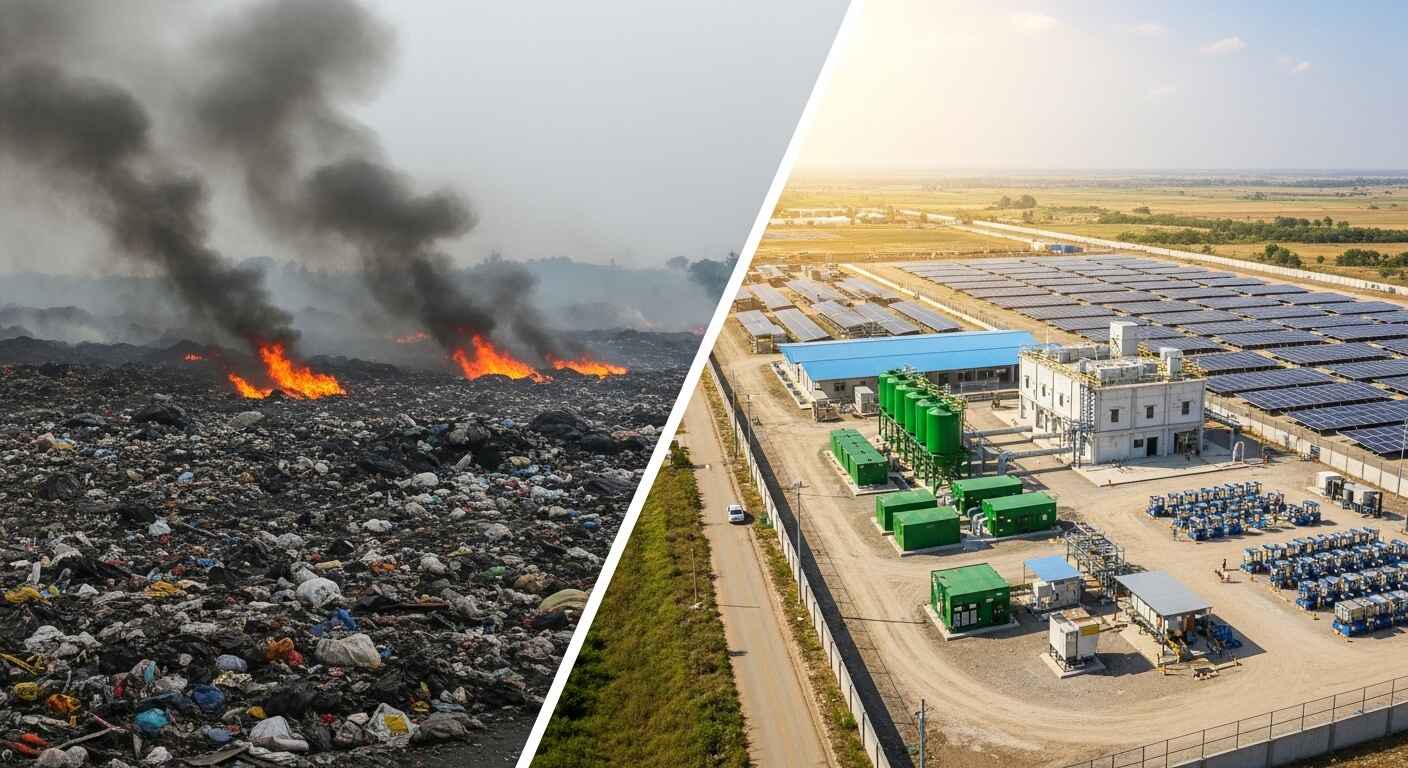
Until very recently, the situation was critical. Every single day, people in our province produced about 50,000 tons of waste. Shockingly, less than 10% of this was ever collected, and only in big cities. The rest? It was dumped in empty plots, burned in open fields, or thrown into drains.
This wasn't just an eyesore. It poisoned our water, filled our air with smoke, and made millions of people sick. The healthcare system was under huge pressure, and the quality of life for families across Punjab was dropping.
I remember talking to a shopkeeper in Gujranwala last year. He told me that during summer, the smell from a nearby dump was so bad that customers stopped coming. Children in the area frequently missed school due to respiratory infections. This wasn't a isolated story—it was happening in hundreds of neighborhoods across the province.
A Bold New Vision: Suthra Punjab 2026
In 2024, Chief Minister Maryam Nawaz decided enough was enough. She gave a clear order: "Don't just copy others. Build a model that works for Punjab, using the best technology in the world."
What followed was unlike anything Pakistan had seen before. Teams of engineers, urban planners, and international consultants camped in Lahore for months, mapping every street, every drain, and every empty plot that had become an illegal dumping ground. They studied systems from Singapore, South Korea, and Germany, but ultimately designed something uniquely Punjabi—a system that could work in our densely packed cities and our far-flung villages.
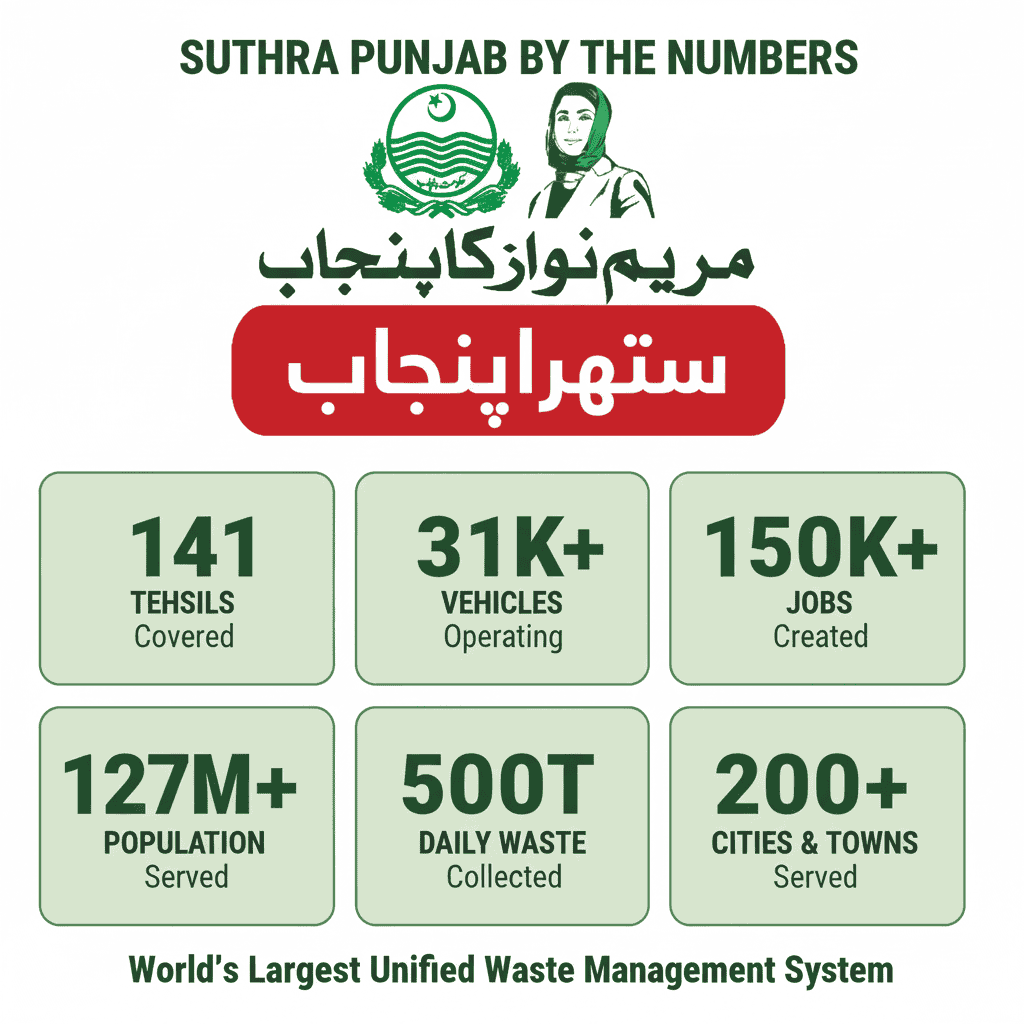
Today, it stands as the world's largest waste management system under one government. It uses advanced Artificial Intelligence (AI) to track every truck and worker. It covers everyone—from the busy streets of Lahore to the smallest villages in remote Punjab.
By The Numbers
This isn't just about cleaning streets. It's about international standards. Suthra Punjab is certified with ISO 9001 (Quality), ISO 14001 (Environment), and ISO 39001 (Transport Safety). Global inspectors from SGS verify our work to ensure we are truly world-class.
What do these certifications mean for an ordinary person? It means that when a contractor says they've cleaned your street, there's a documented process, a verified checklist, and a third-party audit trail. It means accountability isn't just a slogan—it's built into the system.
What Changed for Ordinary People
Take the example of Rizwan, a resident of Shahdra town on the outskirts of Lahore. Before Suthra Punjab, the garbage truck would come once a week—if it came at all. He'd pile his household waste on the street corner, hoping someone would take it. Often, stray dogs would tear the bags open, scattering rubbish everywhere.
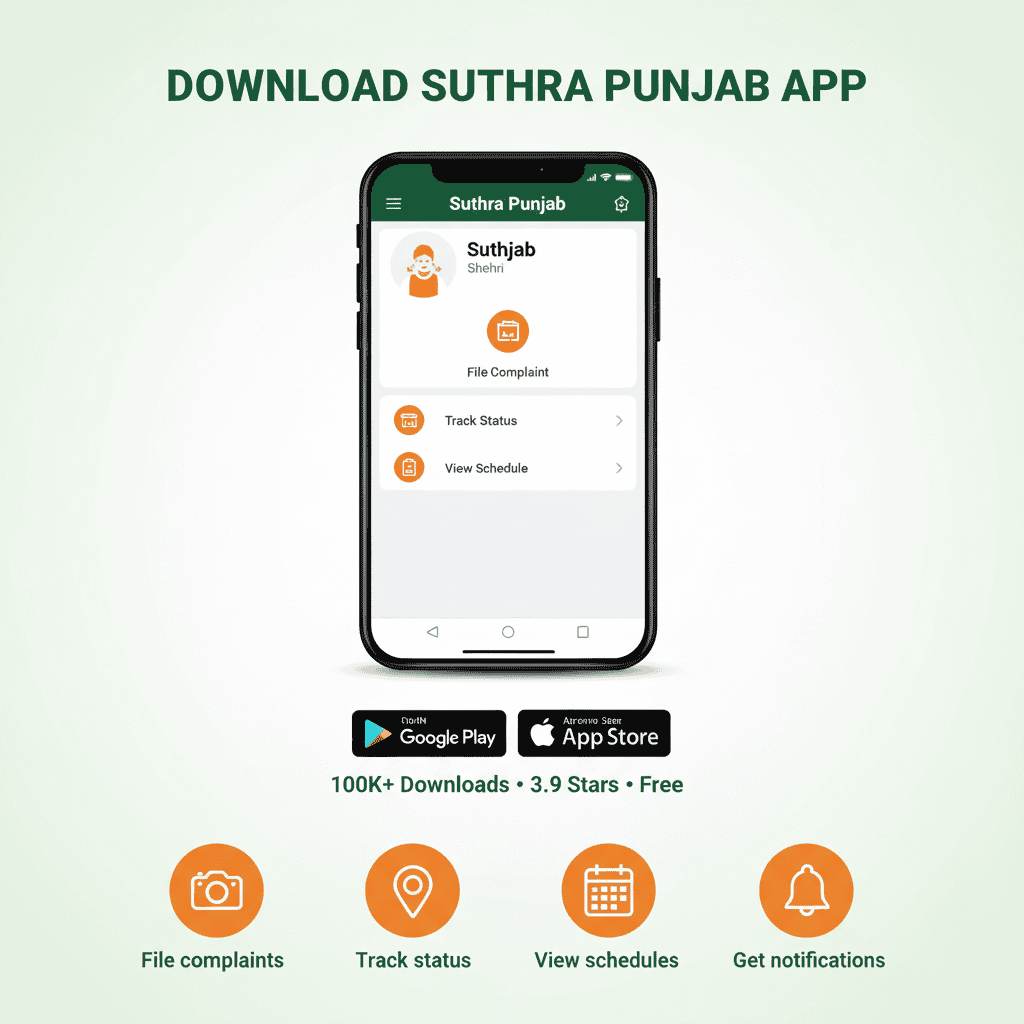
Today, Rizwan gets a notification on his phone a day before the truck is scheduled to arrive. He knows the approximate time window—usually between 9 and 11 in the morning. If the truck doesn't show, he can open the Shehri app, tap a button, and within an hour, a supervisor calls him to check. "It's not perfect every single time," Rizwan says, "but it's a thousand times better than before."
Similar stories echo across Punjab. In villages near Bahawalpur, women no longer have to walk half a kilometer to dump waste in a dry drain. Small tractor trolleys now come door-to-door on fixed days. In commercial markets of Rawalpindi, shopkeepers have noticed that rats and stray animals have become less common—a direct result of waste not sitting on streets overnight.
Turning Trash into Treasure
The most exciting part of Suthra Punjab 2026 is how we are changing waste into value. We aren't just hiding garbage; we are using it to power our future.
Engineers working on these projects often use a simple analogy: "Think of waste as crude oil before it's refined. It has energy, it has materials, it has value—you just need the right technology to extract it."
🌱 Fixing Old Dumps (Mahmud Booti)
In Lahore, we are cleaning up a massive 49-acre old dump site. Instead of letting it rot, we are capping it and turning the area into a park with solar energy plants and trees. When complete, families will be able to picnic where trash once towered.
⚡ Biogas & Electricity (AFEL 2)
This project is already running! It turns 50,000 tons of waste every year into renewable electricity and fertilizer, while stopping dangerous greenhouse gases. The electricity generated powers hundreds of homes in the surrounding area.
🌍 Saving Lakhodair
Working with the UN, we are fixing the Lakhodair landfill, one of the world's biggest methane producers. Soon, it will generate clean energy instead of pollution. The methane that once poisoned our air will now cook meals in nearby homes.
♻️ The Recycling Park
Pakistan's first major recycling hub will separate plastic and paper to reuse them. It will turn organic waste into compost and stop 90,000 tons of CO2 from entering our air every year. Farmers are already lining up to buy the compost at subsidized rates.
🪰 Protein from Waste
Using new "Black Soldier Fly" technology, we are turning food waste into high-protein animal feed and natural fertilizer. Nothing goes to waste! Poultry farmers have reported healthier flocks after switching to this feed.
🏭 Waste-to-Energy Plant
A new 25-megawatt plant is being built to burn 1,600 tons of daily trash safely to create electricity for thousands of homes. It's scheduled to begin operations by the end of this year.
A Worker's Perspective
Meet Allah Ditta, a sanitation worker in Multan. He's been sweeping streets for twenty-two years. "In the old days," he says, "we would start at dawn and work until sunset, but nobody knew exactly which streets we had covered. Our supervisors would come at the end of the month and sometimes claim we hadn't worked certain days. We couldn't prove otherwise."
Today, Allah Ditta carries a small ID card that he taps at the start of his shift on a GPS-enabled device mounted on his rickshaw. Every street he cleans is recorded. His salary arrives in his bank account on the first of every month—no delays, no excuses.
"My daughter is in college now," he says with pride. "She wants to become a teacher. I never thought I could afford her education on a sanitation worker's salary, but the regular pay and benefits have changed everything."
His story is not unique. Across Punjab, sanitation workers have seen their incomes stabilize and their dignity restored. They wear uniforms with their names embroidered. Citizens address them with respect. It's a small change that means the world to men and women who do one of society's toughest jobs.
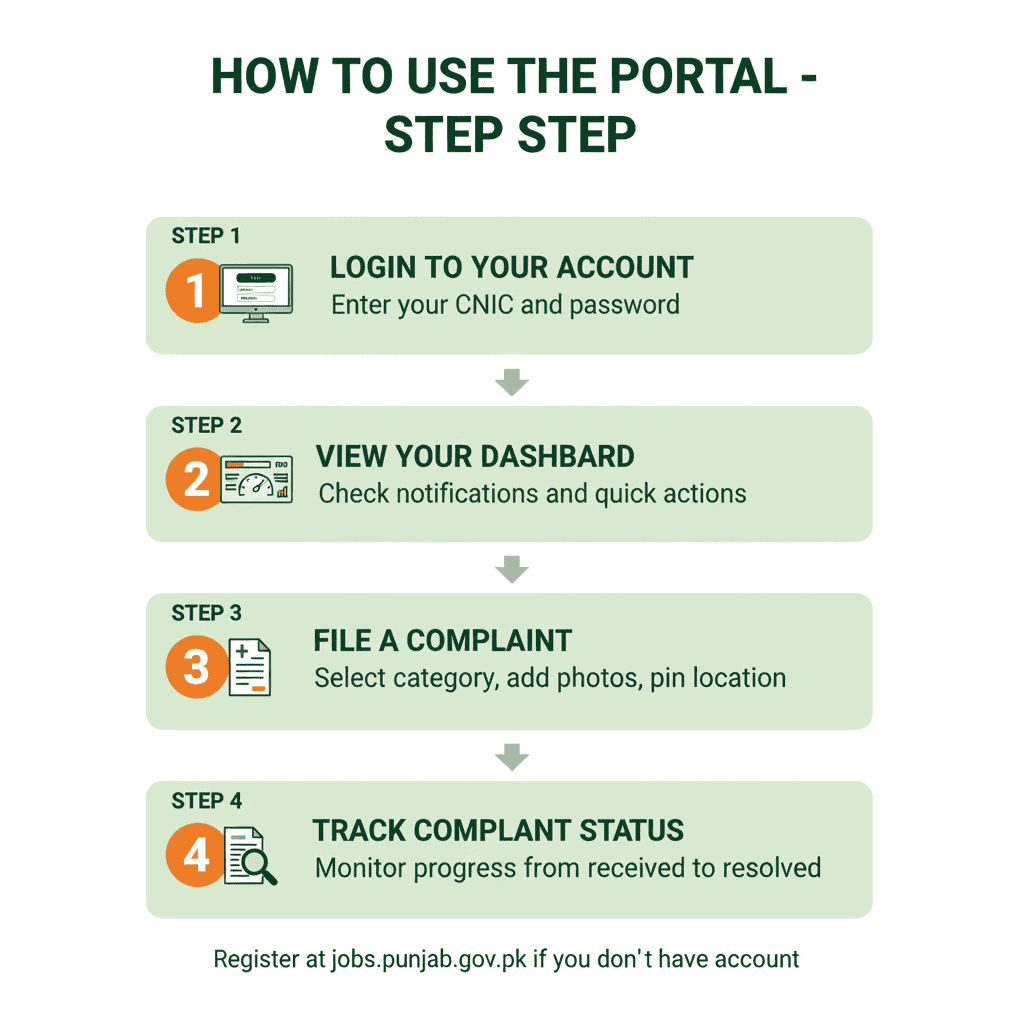
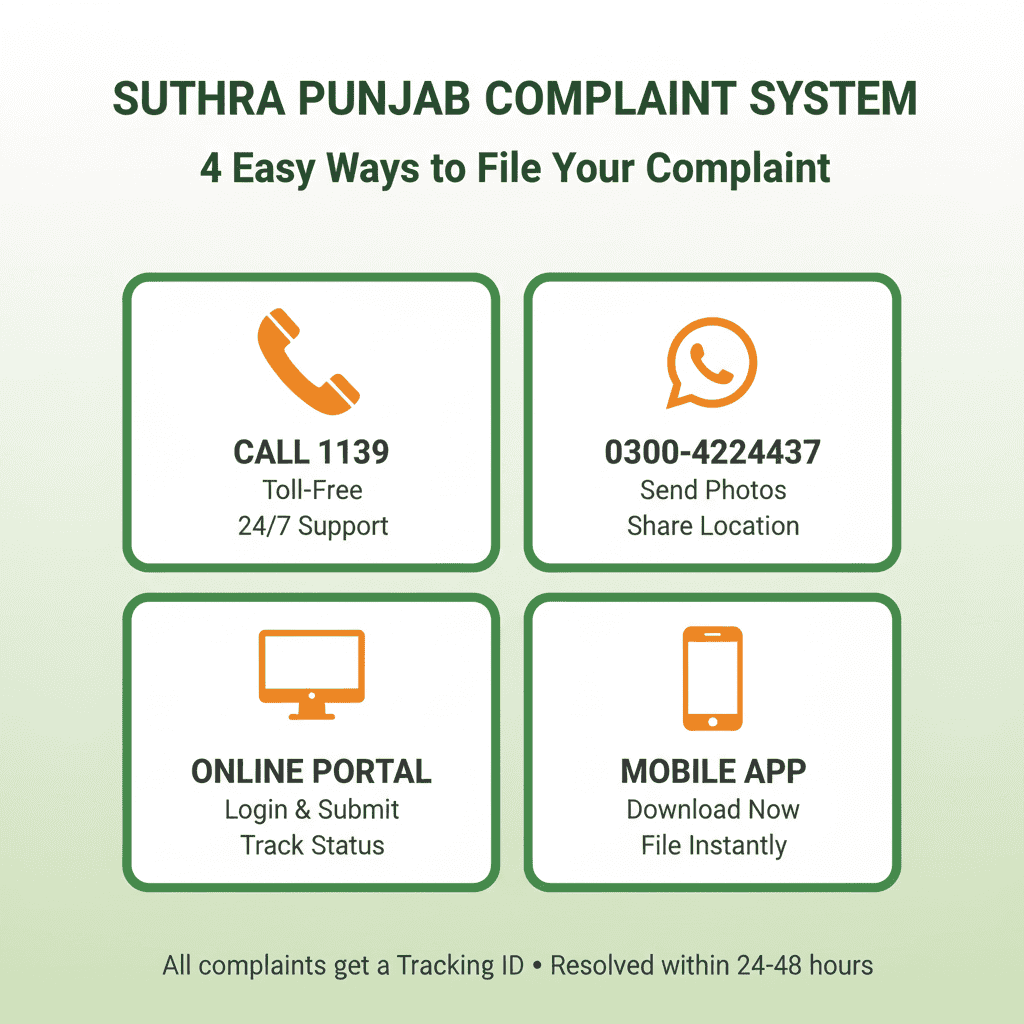
Explore Suthra Punjab Resources
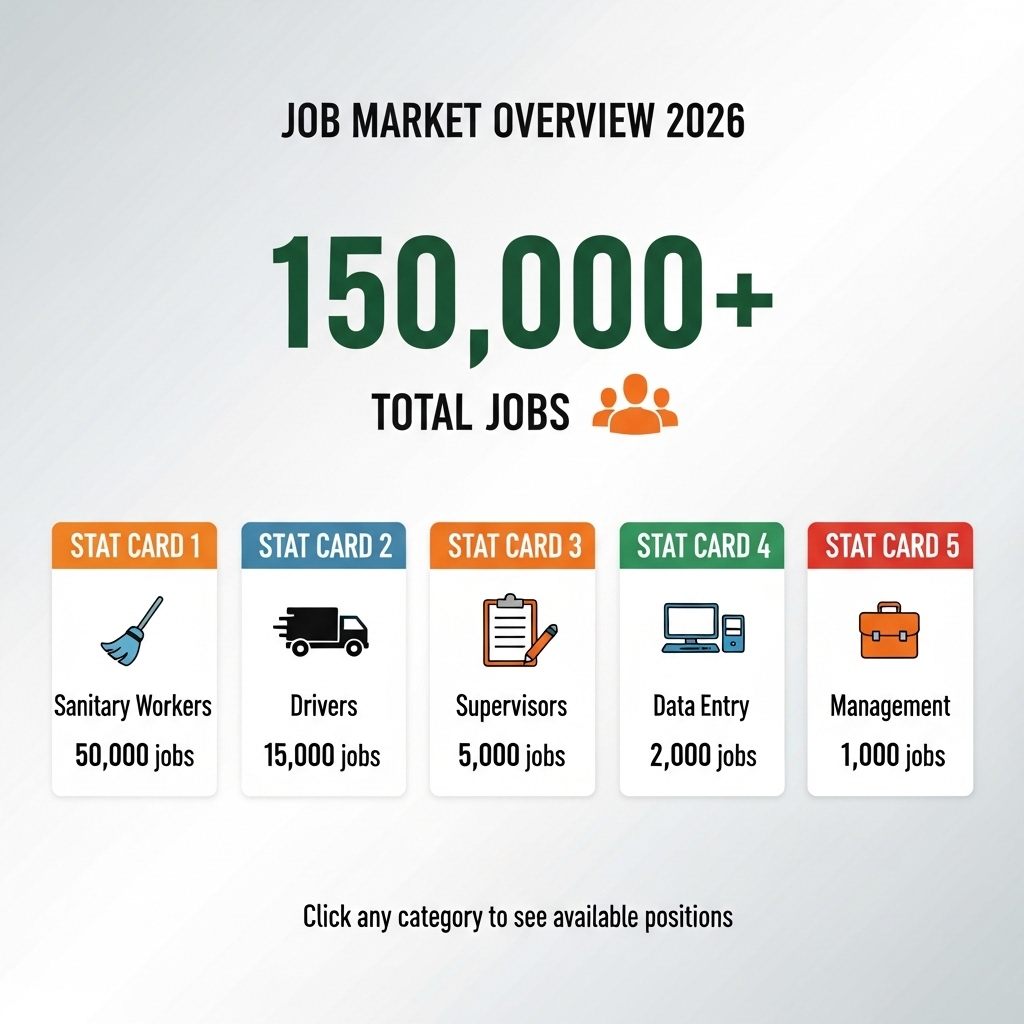
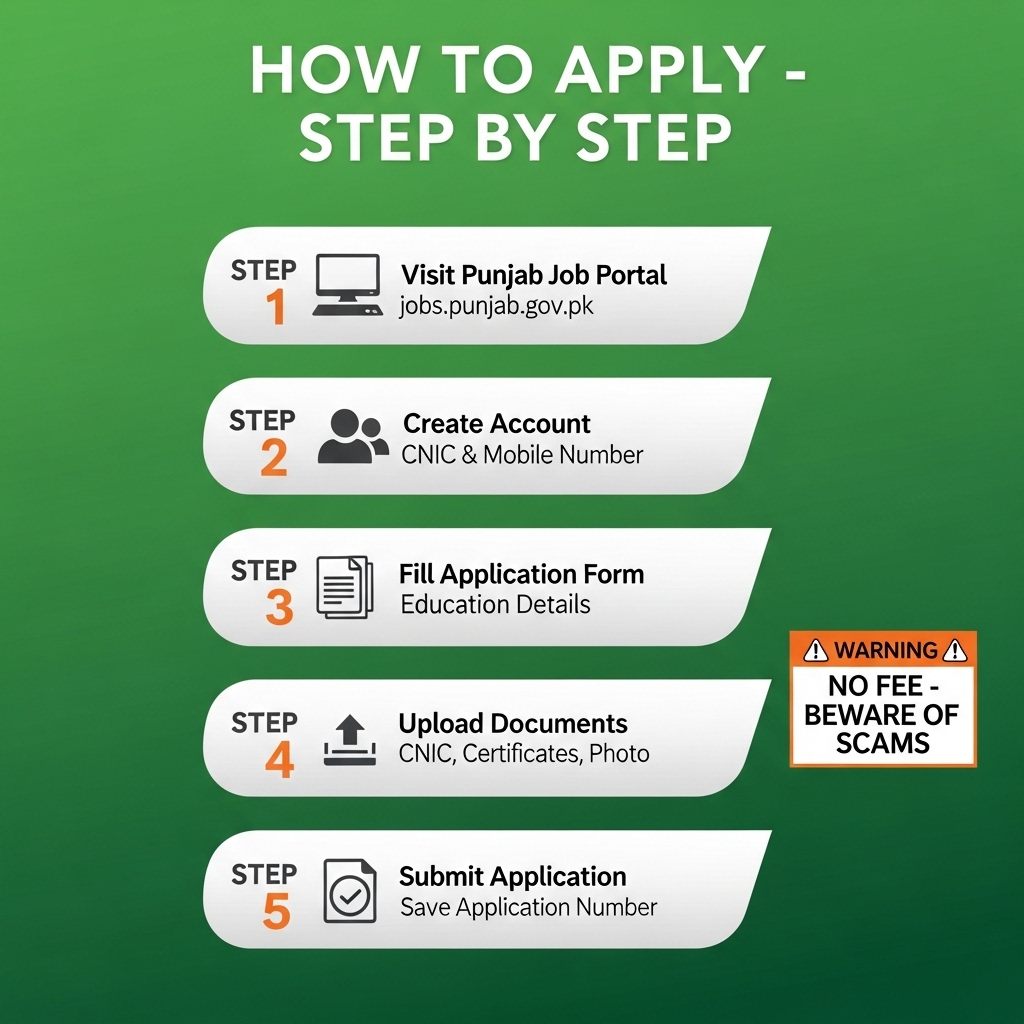
Everything you need to know about the program—from filing complaints to finding jobs—all in one place.
The Road Ahead
Transforming a province's relationship with waste doesn't happen overnight. There are still neighborhoods where collection is irregular, contractors who cut corners, and citizens who haven't yet learned to separate their waste or follow schedules. The control room in Lahore shows these gaps in real-time—red dots on the map where complaints haven't been resolved, yellow alerts where vehicles have strayed from their routes.
But the direction is clear. Every month, the number of red dots shrinks. Every quarter, new tehsils come online with better equipment and trained staff. Every year, more waste is diverted from open dumps to engineered facilities.
Engineers who designed the system often say that the technology is the easy part. The hard part—the part that takes years—is changing habits. Teaching people not to throw trash in drains. Convincing shopkeepers to keep the area in front of their stores clean. Showing children that a clean neighborhood is something worth demanding from their leaders.
That work continues every day, street by street, conversation by conversation.
A Model for the World
Suthra Punjab proves that you don't need to be a rich country to solve big problems. With vision, technology, and hard work, Punjab is leading the way for the entire developing world.
We have laid the foundation. Now, we invite investors, partners, and citizens to join us. Every clean street, every unit of energy generated, and every rehabilitated site brings us closer to a shared dream: