Suthra Punjab Recycling
How Suthra Punjab turned a 14-million-ton waste crisis into a solar park, urban forest, and global role model.
The Miracle at Lakhodair
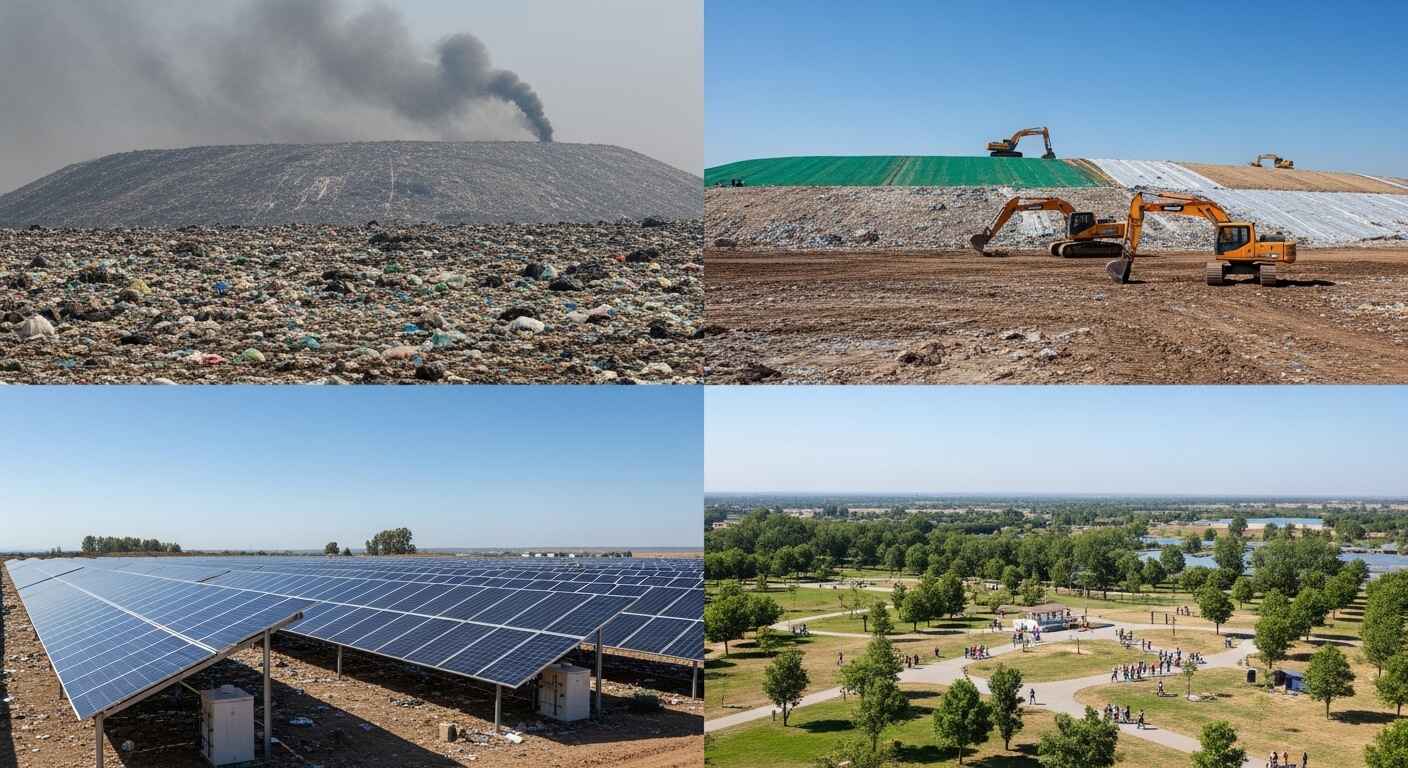
Imagine a mountain of trash so big it could be seen from space. For years, the Lakhodair landfill outside Lahore was exactly that—a 14-million-ton monster releasing clouds of harmful methane gas and making the city's smog problem worse.
I remember driving past that area five years ago. The smell would hit you a kilometer before you reached the site. Birds circled endlessly overhead. Nearby residents kept their windows permanently shut. Children played in streets where the air was thick with the stench of rotting waste.
But today, the story has changed completely. Under the Suthra Punjab program, this dangerous dump is being transformed into something beautiful and useful.
🌱 What is Happening Now?
- Solar Park: The capped landfill is becoming a home for solar panels to generate clean electricity. Engineers estimate it will power over 5,000 homes once complete.
- Urban Forest: Trees are being planted to turn the gray wasteland into a green park. Native species that thrive in Punjab's climate have been selected, and saplings are already showing strong growth.
- Carbon Credits: By stopping methane gas, Punjab expects to earn nearly 1 billion rupees annually through international carbon credit sales under the Paris Agreement. This money will fund further environmental projects.
- Biogas Production: The site will produce 20 tons of biogas to power homes and vehicles. A nearby transport company has already signed an agreement to fuel its fleet with this gas.
This isn't just cleaning up; it's turning an environmental liability into a national asset. The project shows that even the biggest problems can become opportunities when approached with creativity and determination.
What This Means for You
For most people, recycling has always been an abstract concept—something that happens somewhere else, handled by someone else. But in Punjab, that's changing. When you separate your organic waste from plastic and paper, you're not just following a rule. You're contributing to a system that turns your kitchen scraps into electricity, your discarded newspapers into new packaging, your food waste into animal feed.
Take the example of Fatima, a schoolteacher in Faisalabad. She started separating her household waste six months ago after attending an awareness session organized by the local waste management company. "At first it felt like extra work," she admits. "But now it's a habit. My children remind me if I forget. They've learned in school about why recycling matters, and they hold me accountable."
Her neighborhood has seen results too. The communal bins don't overflow as quickly. Stray dogs don't tear through bags looking for food because organic waste is collected separately. The street stays cleaner for longer.
In commercial areas, the impact is even more visible. Restaurants in Lahore's food districts now separate their cooking oil, which is collected and converted into biodiesel. A single restaurant can power its own delivery vehicles with the fuel made from its waste.
Recycling: The Future of Waste
The Suthra Punjab program goes far beyond just picking up trash. It is building a complete system to recycle waste and create energy—a circular economy where nothing is wasted and everything has value.
Engineers working on these projects often use a simple analogy: "Think of a landfill as a mine. But instead of digging for coal or iron ore, we're mining materials that already exist above ground. The plastic, the metal, the organic matter—it's all there, waiting to be recovered and reused."
Major Projects Underway:
Converting 3,000 tons of daily waste into electricity for thousands of homes. Construction is already 60% complete.
Estimated cost for the central Punjab energy project, attracting global investors from China, Germany, and the UAE.
Separating plastics and organics to create compost and fuel. When fully operational, it will process 1,000 tons daily.
Companies from Beijing and the UK have sent delegations to study our model. A memorandum of understanding has been signed with a British firm.
Experts from China, who cleaned up Beijing 20 years ago, are now helping Punjab follow the same path. They see Lahore's 7,000 tons of daily waste not as a burden, but as fuel for the future. During a recent visit, a Chinese engineer remarked, "You have more potential here than we did. The scale is larger, and the commitment from leadership is stronger."
Nature's Recyclers: The Black Soldier Fly
One of the most fascinating projects under Suthra Punjab involves an unlikely hero: the black soldier fly. These insects are being bred in controlled environments to consume organic waste—vegetable peels, fruit scraps, leftover food—and transform it into two valuable products.
The larvae, which are rich in protein, are harvested and processed into animal feed. Poultry farmers have reported that chickens fed with this protein grow faster and healthier than those given conventional feed. The remaining material, called frass, becomes a nutrient-rich organic fertilizer that farmers are eager to buy.
A pilot facility on the outskirts of Lahore currently processes five tons of organic waste daily. The team there, led by young Pakistani entomologists trained in Malaysia, plans to scale up to fifty tons by next year. "It's nature's perfect recycling system," says the project lead. "The flies do all the work. We just provide the right environment."
This closed-loop system means that instead of rotting in landfills and releasing methane, food waste becomes food for animals and plants. Nothing is wasted. Everything cycles back.
🌍 A Model for the World
The world is watching Punjab. What started as a local cleanup has become a global success story.
Forbes and Bloomberg have called Suthra Punjab a "global model," amazed that such a huge system was built in just 8 months. They highlight how a waste crisis was turned into an integrated machine that other developing countries can replicate.
Even more surprisingly, the BBC reported that the city of Birmingham, UK, is now looking to Pakistan for help! British volunteer groups have reached out to Punjab to learn how to fix their own overflowing bins and sanitation strikes. This is the first time a major British city has copied a Pakistani solution—a reversal of the usual flow of ideas from West to East.
Delegations from Bangladesh, Kenya, and Indonesia have also visited, taking notes and photographs, hoping to adapt Punjab's model for their own cities. The United Nations Environment Programme has featured Suthra Punjab in its case studies of successful waste management initiatives.
As one international expert said during a recent visit: "Punjab is ready. Just like Beijing 20 years ago, this province is leading the transformation. The rest of the world should pay attention."
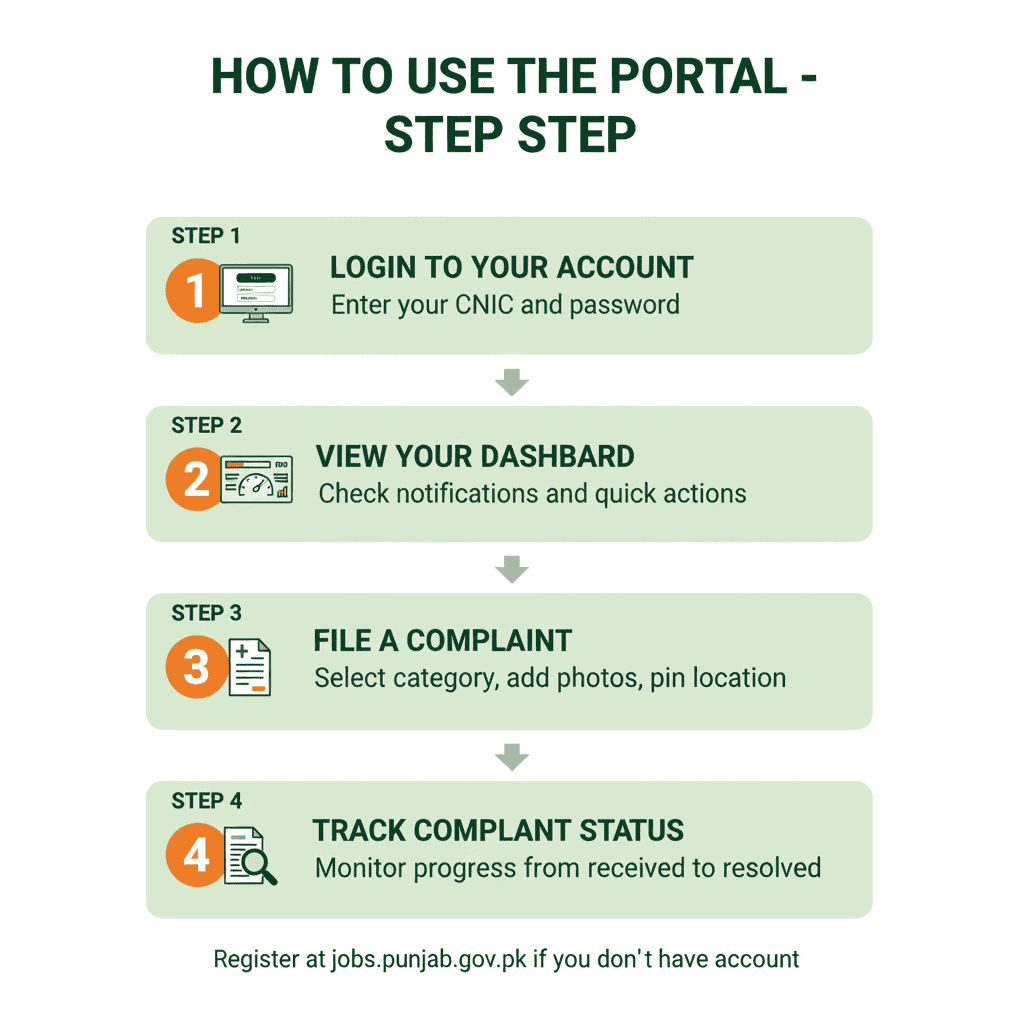
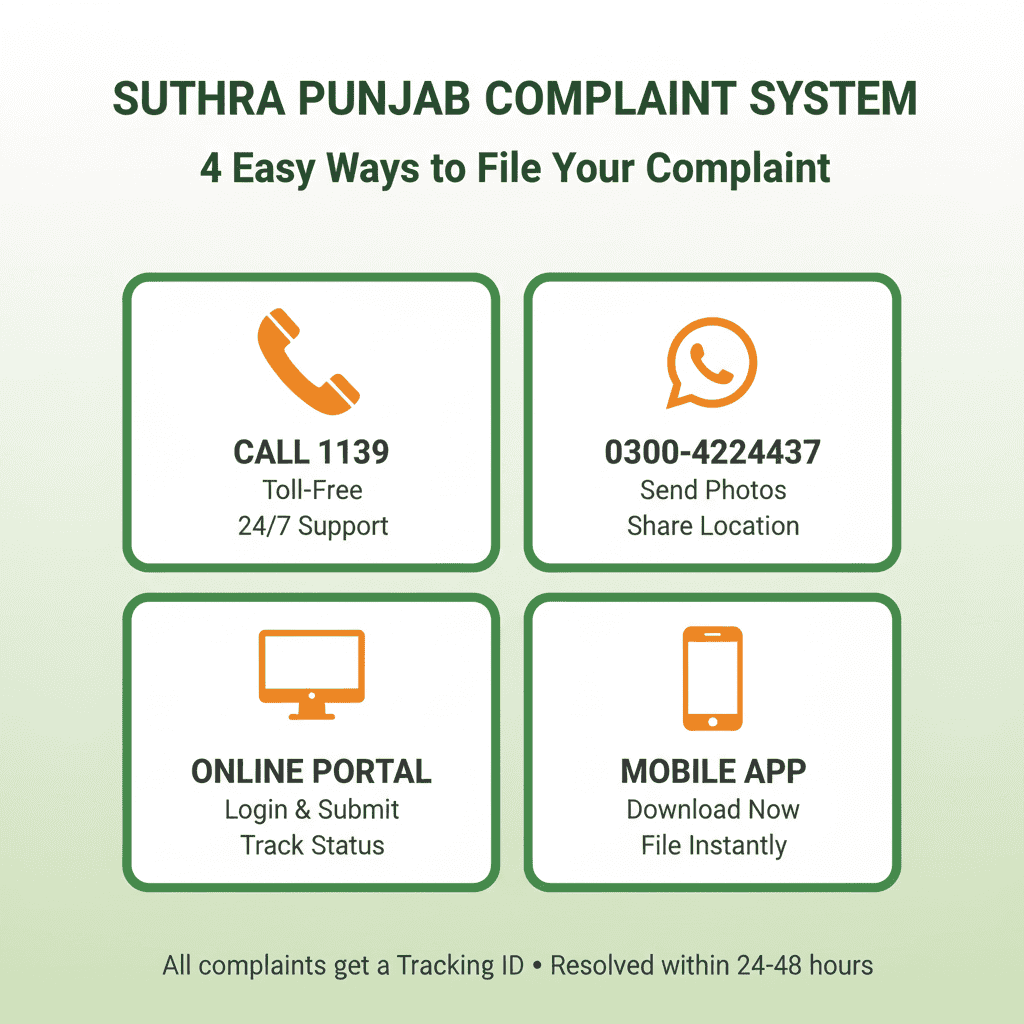
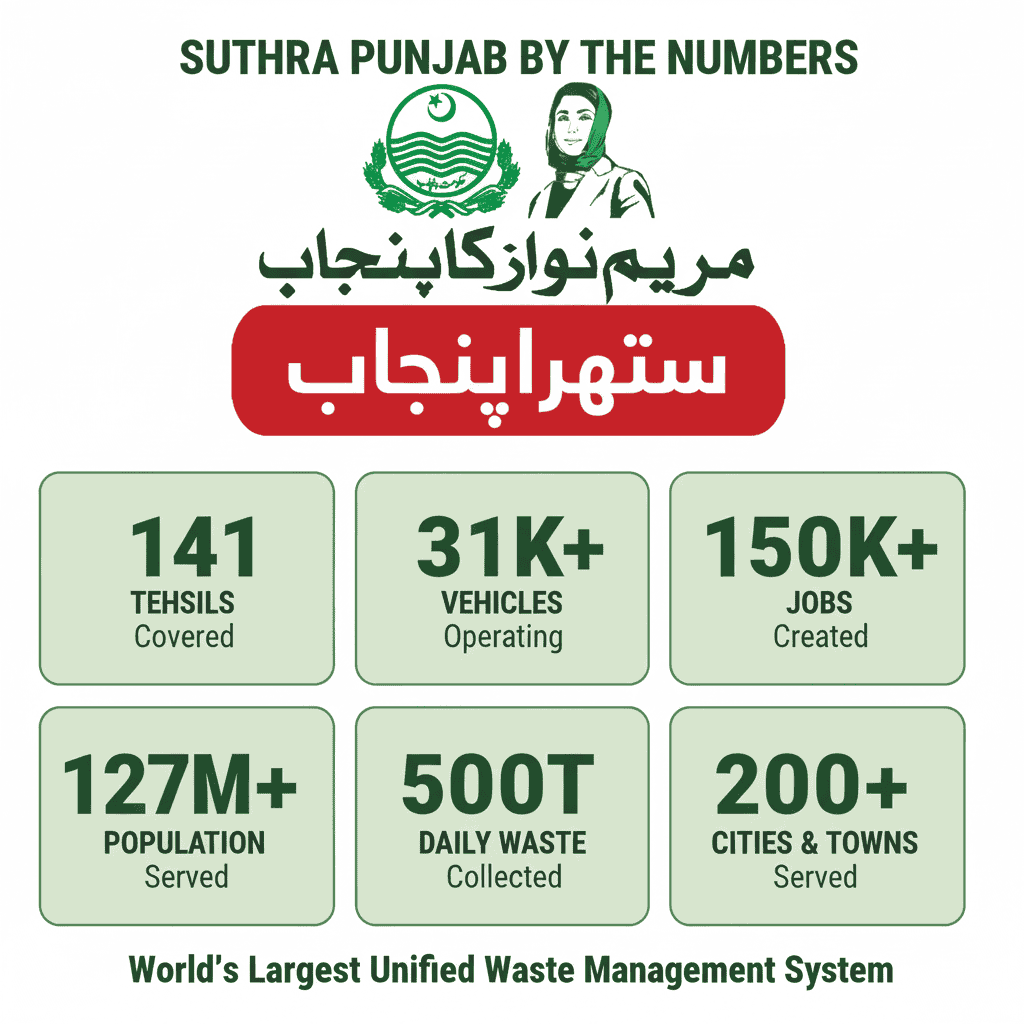
Explore Suthra Punjab Resources
Everything you need to know about the program—from filing complaints to finding jobs—all in one place.

Building a Recycling Economy
The vision extends beyond individual projects. Punjab is building an entire economy around recycling. Private companies are being encouraged to set up facilities that turn recycled materials into new products. Plastic waste becomes polyester fabric. Glass becomes insulation material. Paper becomes packaging.
Already, a factory in Sheikhupura is producing high-quality construction bricks made partly from recycled plastic. The bricks are lighter than traditional ones, cheaper to produce, and just as strong. The factory owner, a young entrepreneur who returned from abroad to start this business, says, "I saw what was possible in other countries and realized we had the raw material here—mountains of it. We just needed the will to use it."
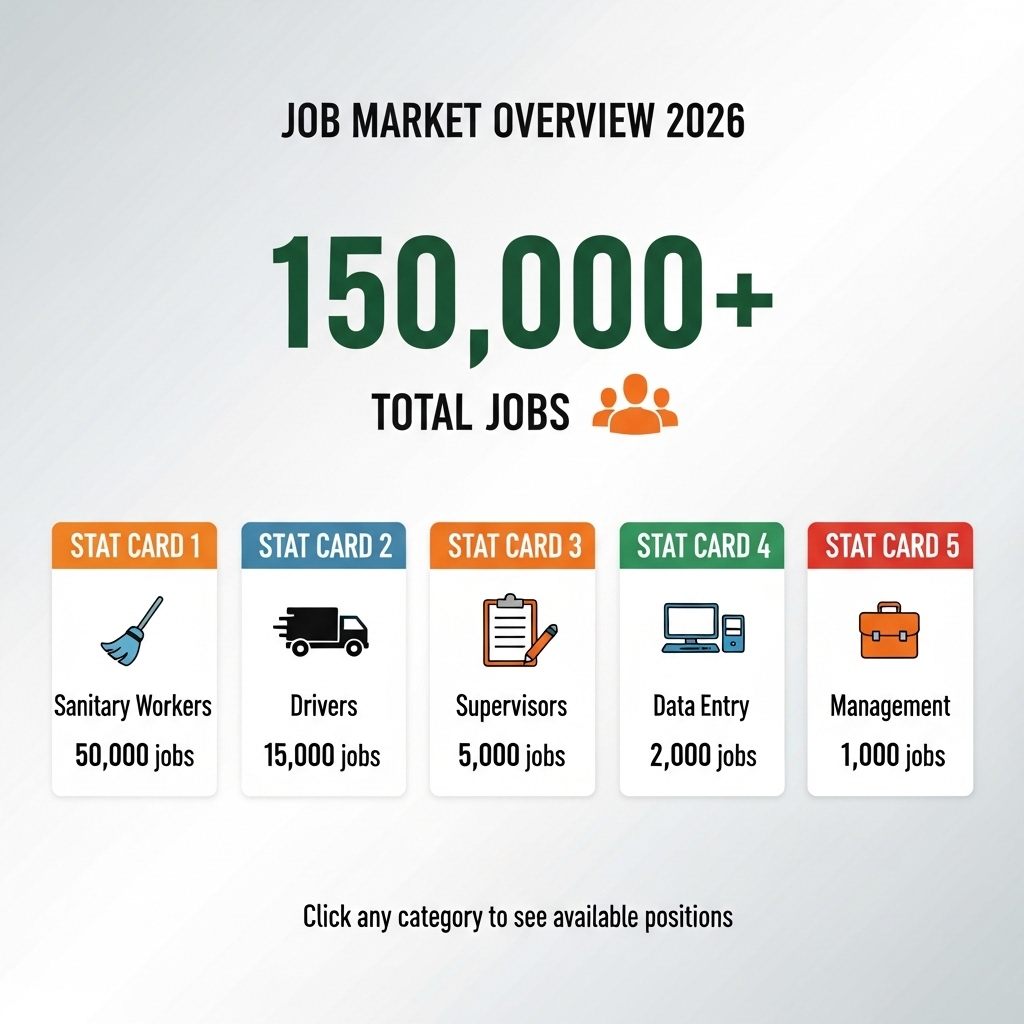
These new industries are creating jobs. Not just for engineers and managers, but for sorters, collectors, and drivers—people with a range of skills and educational backgrounds. The recycling economy is proving to be a significant source of employment, especially for those who might otherwise struggle to find work.
A Farmer's Perspective
Muhammad Rafiq farms ten acres near Sahiwal. For years, he used chemical fertilizers, watching his input costs rise while his soil quality declined. Last year, he started using compost produced from urban organic waste—the same waste that once rotted in landfills.
"The first season, I was skeptical," he admits. "I used it on half my field as a test. By the end of the season, the difference was visible. The plants on the compost side were greener, the soil held moisture better, and my yield was fifteen percent higher."
Today, Rafiq buys compost regularly. It costs less than chemical fertilizer and produces better results. His soil, he says, feels alive again—full of earthworms and organic matter. "This is how farming used to be, before we became dependent on chemicals. It's good to be going back."
His story is being repeated across Punjab as the recycling park scales up production and farmers discover the benefits of compost. The program plans to distribute compost at subsidized rates to small farmers, helping them improve yields while reducing reliance on imported fertilizers.
A Cleaner Tomorrow Starts Today
From a smog-filled past to a solar-powered future, Suthra Punjab is proving that change is possible. We are not just managing waste; we are creating energy, earning carbon credits, building forests where dumps once stood, and restoring the health of our soil.
But perhaps most importantly, we are changing how people think about waste. It is no longer something to throw away and forget. It is a resource, an opportunity, a source of value. Schoolchildren now learn about recycling. Families separate their waste at home. Entrepreneurs see opportunity in what others discard.
This is an invitation to everyone: invest, collaborate, and be part of this transformation. Every ton of recycled waste brings us closer to a clean planet. Every person who participates becomes part of the solution.