About Suthra Punjab Program
ستھرا پنجاب پروگرام کے بارے میں
Suthra Punjab is the Government of Punjab's main effort to keep cities and villages clean. The aim is simple: move toward a province where waste is managed properly, streets stay tidy, and people breathe cleaner air. Teams work in every tehsil using modern tools and data to plan their work.
I remember visiting a small village near Hafizabad last year, before the program reached there. The main drain was choked with plastic, children played near piles of rotting waste, and the smell was unbearable. Six months later, I went back. The drain had been cleared, bins were placed at regular intervals, and a young man from the village had been hired as a sanitary worker. That's what this program is about—real change in real places.
📢 Note
This website is an independent guide about the Suthra Punjab Program. It is not run by the government. For official services like filing complaints, please use the government portal or the Shehri mobile app. We're just here to help you understand how it all works.
ستھرا پنجاب حکومت پنجاب کا وسیع صفائی منصوبہ ہے۔ اس کا مقصد شہروں اور دیہاتوں کو صاف رکھنا، کچرا مناسب جگہ پہنچانا اور لوگوں کو صحت مند ماحول دینا ہے۔ ہر تحصیل میں جدید مشینری اور مقامی عملہ اس کام میں لگا ہوا ہے۔ حافظ آباد کے قریب ایک چھوٹے سے گاؤں میں پہلے حالات بہت خراب تھے، لیکن چھ ماہ بعد وہاں صفائی کا نظام آ گیا۔ یہی اس پروگرام کا اصل مقصد ہے۔
What Is Suthra Punjab?
In plain words, Suthra Punjab is a province-wide system to handle waste. It covers every type of place — from busy city centers like Lahore and Faisalabad to small villages that most people have never heard of. The idea is that no matter where you live, garbage should be picked up on time, roads should be swept, and waste should end up at proper sites, not in empty plots or drains.
The program focuses on four basic tasks:
- Going door to door to collect household waste. In many areas, this happens six days a week.
- Sweeping streets, markets, and public areas. Some commercial zones get cleaned twice daily.
- Moving waste to transfer stations and then to engineered landfills. No more dumping in empty plots.
- Stopping people from burning trash or dumping it in open spaces. This alone has reduced smog in many cities.
🕌 Urdu Meaning
آسان الفاظ میں، ستھرا پنجاب کوشش ہے کہ گلی محلے سے کچرا باقاعدگی سے اٹھے، سڑکیں صاف ہوں اور کوڑا کھلے میں نہ پھینکا جائے۔ شہر ہو یا گاؤں، ہر جگہ معیار یکساں ہو۔
Vision and Core Goals
The long-term dream is a Punjab where waste is seen as something useful, not a problem. Leaders want to reach "zero visible waste" in public spaces and keep it that way. This is not about one-time cleaning drives but building a system that works every day, without anyone having to ask.
🚮 Zero Visible Waste
No garbage piles on streets, in markets, or near homes. Everything collected and moved within hours.
📊 Same Standards Everywhere
All tehsils, big or small, should get the same quality of service. A village should be as clean as a city.
🌱 Less Pollution
Reduce health risks from open dumping and burning of waste. Cleaner air means fewer respiratory illnesses.
💼 Green Jobs
Create work for thousands with fair pay and safe conditions. Jobs that give people dignity and stability.
♻️ Recycling Push
Slowly introduce composting and waste-to-value projects. Turn trash into something useful.
اس پروگرام کا اصل مقصد مستقل نظام بنانا ہے۔ ہر تحصیل میں صفائی کا ایک جیسا معیار، کم آلودگی، اور صفائی عملے کے لیے عزت کی روزگار۔ شہر ہو یا گاؤں، ہر جگہ صفائی کا یکساں معیار ہو۔
History and Rollout Timeline
The Suthra Punjab campaign was announced soon after the new provincial government took charge in 2024. Work began in phases, starting with big cities and then moving to smaller towns. I followed the rollout closely, talking to officials and residents along the way.
| Year | What Happened |
|---|---|
| 2024 | Official launch of Suthra Punjab as a province-wide cleanliness drive. Initial focus on Lahore and other major cities. |
| 2024–2025 | Work started in major divisions: Lahore, Rawalpindi, Faisalabad, Multan. Door-to-door collection began in many tehsils. People were skeptical at first, but results started showing. |
| 2025 | Contracts signed with private companies. Thousands of new machines and trucks deployed. The control room became operational. |
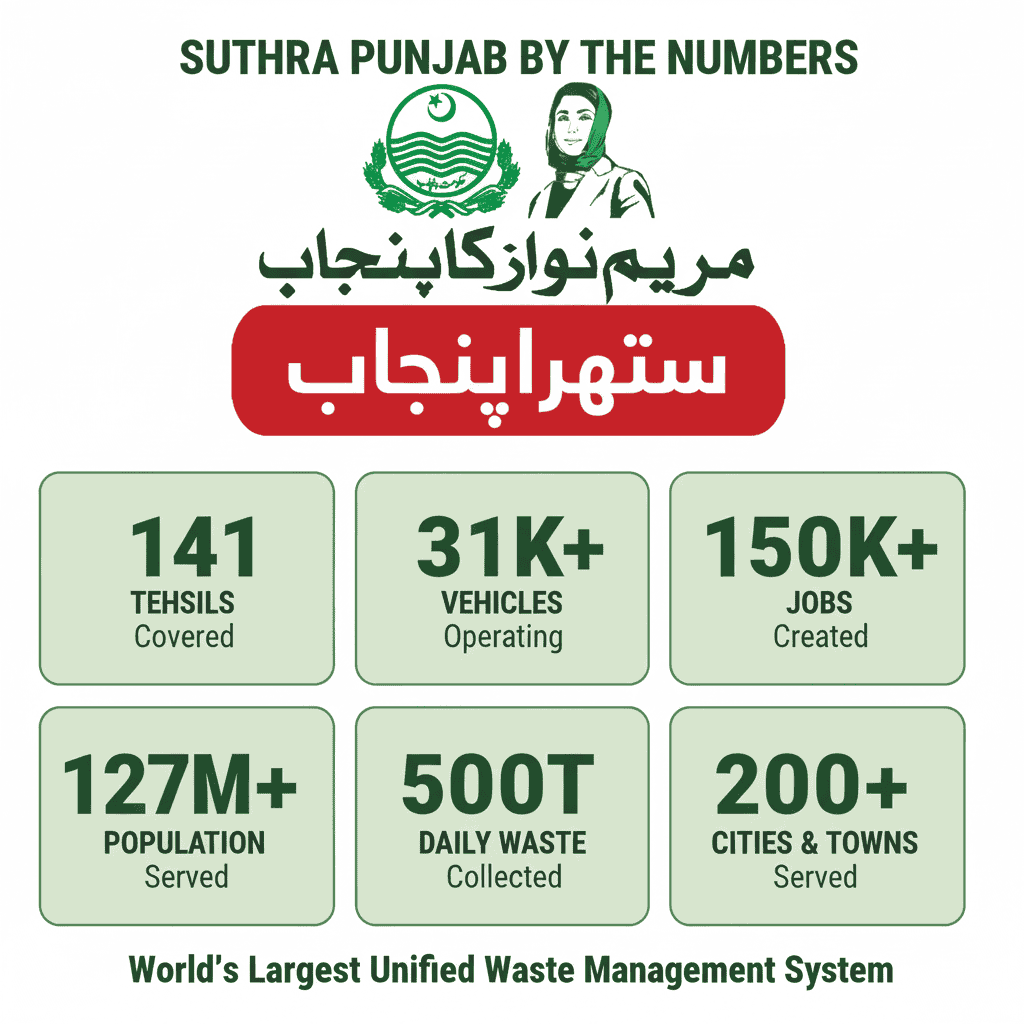
| 2025 onward | Expanded to over 140 tehsils. Millions of sanitation activities recorded. International recognition began to pour in. |
پہلے بڑے شہروں میں نظام آزمایا گیا، پھر اسے چھوٹی تحصیلوں اور دیہات تک پھیلایا گیا تاکہ ہر جگہ صفائی کا فائدہ پہنچے۔ 2024 میں آغاز ہوا، 2025 میں نجی کمپنیوں کے معاہدے ہوئے، اور اب 140 سے زائد تحصیلوں میں کام ہو رہا ہے۔
Governance and Management Structure
Suthra Punjab runs on a partnership model. The government sets the rules and monitors work, while private companies handle daily operations. It's a model that's worked in many countries, and it's working here too.
Key Points
- Public-private partnership: Private firms bring vehicles, staff, and machinery. The government doesn't have to buy everything itself.
- Risk sharing: Companies handle fuel, repairs, and workers. Government handles policy, planning, and oversight.
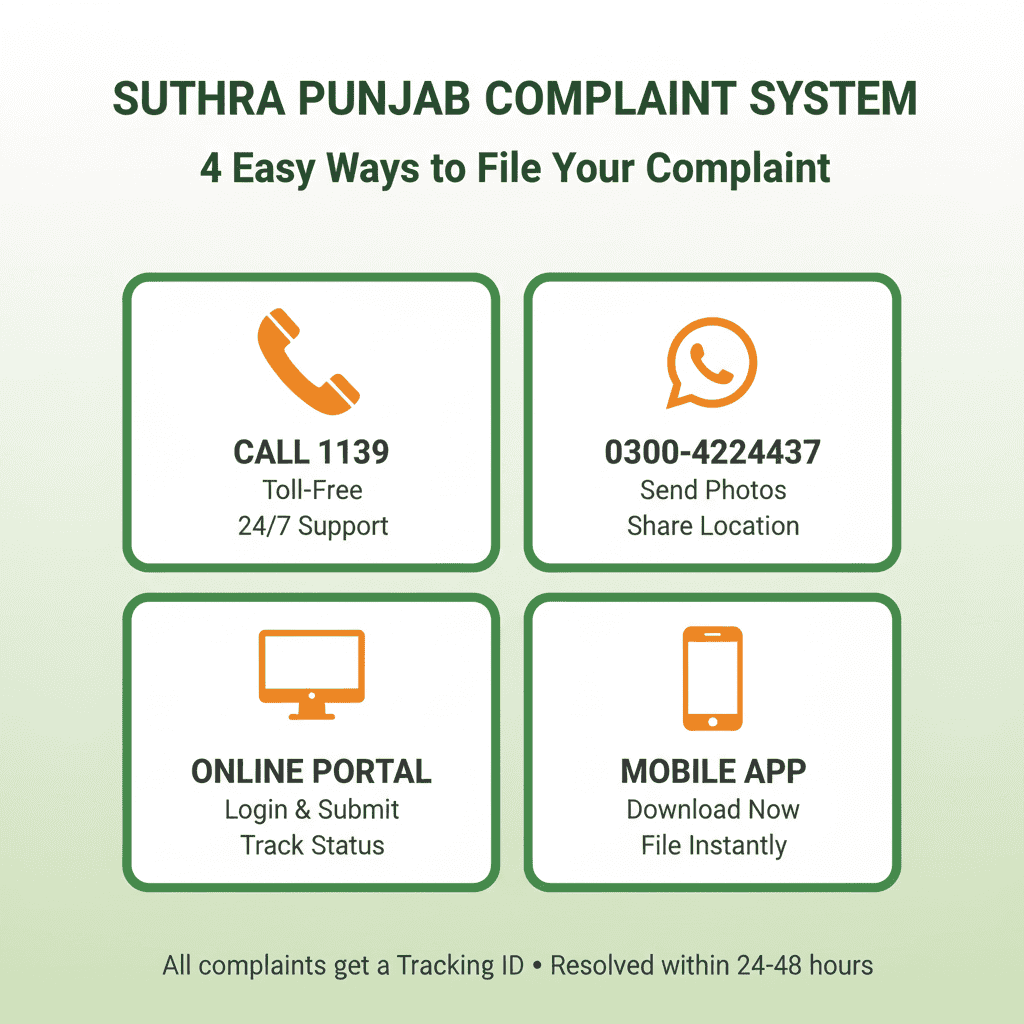
- Pay based on performance: Companies get paid only if they meet targets like covering all streets and resolving complaints within 24 hours.
- Joint effort: Provincial departments, city governments, and union councils all coordinate. No one works in isolation.
🏛️ Simple Explanation
حکومت راہ دکھاتی ہے اور نگرانی کرتی ہے، جبکہ نجی کمپنیاں گاڑیاں، عملہ اور روزمرہ صفائی سنبھالتی ہیں۔ کمپنیوں کو ادائیگی صرف اس صورت میں ملتی ہے جب وہ اپنے اہداف پورے کریں۔
Real Story: The Supervisor Who Changed a Community
In a low-income neighborhood on the outskirts of Gujranwala, garbage had piled up for months. Residents complained repeatedly, but nothing changed. Then a new supervisor, a young woman named Fatima, was assigned to the area.
Fatima didn't just send trucks. She went door to door, talking to residents, explaining the collection schedule, and listening to their concerns. She discovered that many people didn't know when the trucks came because the timings kept changing. She fixed the schedule, posted it at the local mosque, and made sure the trucks stuck to it.
Within a month, the neighborhood was transformed. Children played in streets that had been covered in garbage. Shopkeepers reported more customers. "She listened to us," one resident said. "No one had ever done that before."
Stories like Fatima's show that the program isn't just about machines and data. It's about people who care, working in communities that need them.
Key Components and Services
Every tehsil gets a set of basic services, adjusted for local needs. Here is what is usually included based on what I've seen across different districts:
🏠 Door-to-Door Collection
Regular pickup from homes and shops using fixed routes and timings. Tracked by GPS so supervisors know exactly which streets were covered.
🧹 Street Sweeping
Manual and machine sweeping of roads, footpaths, and markets. Night cleaning in busy commercial areas to avoid disrupting business.
🚛 Transport & Disposal
Waste moved to transfer stations then to engineered landfill sites. The aim is to end open dumping completely.
♻️ Recycling (Starting)
Small steps toward sorting waste, composting, and waste-to-energy pilots. It's early days, but the foundation is being laid.
روزانہ کی زبان میں، کچرا صرف اٹھانا نہیں بلکہ اسے صحیح جگہ پہنچانا، اور جہاں ممکن ہو ری سائیکل کرنا بھی شامل ہے۔ ہر علاقے کی ضروریات کے مطابق خدمات فراہم کی جاتی ہیں۔
Digital Governance, Apps and Dashboards
Technology plays a big role in Suthra Punjab. It helps track work and lets citizens speak up. I've spent time in the control room watching how it all works—it's impressive.
- Web portal: A secure site for employees and contractors to manage work, log activities, and report issues.
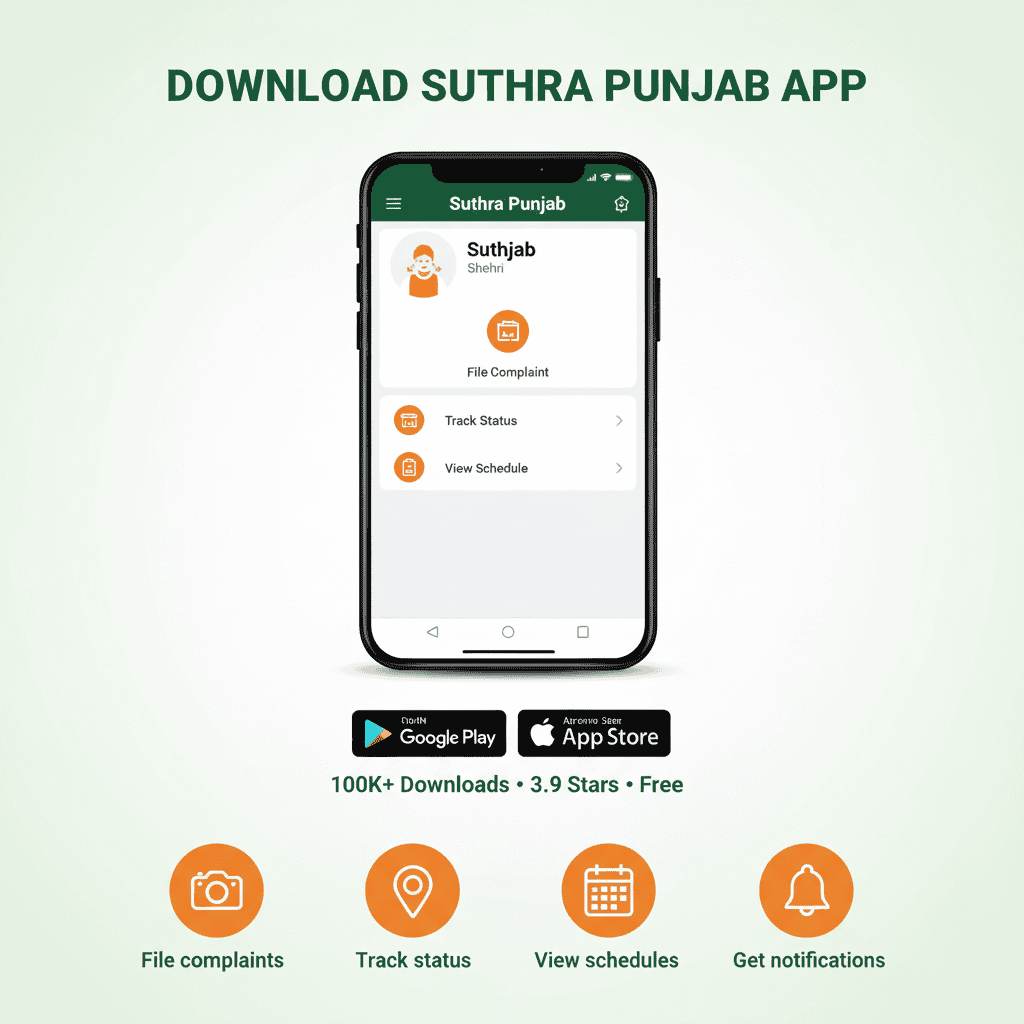
- Shehri mobile app: Citizens can report missed collection, view schedules, and rate services. Over 100,000 downloads already.
- GPS tracking: Vehicles are tracked to see if they cover all streets. If a truck misses a street, the system knows.
- Data use: Officials study complaints and coverage to fix problems fast. Patterns emerge—certain areas need more attention, certain contractors need more oversight.
📱 For Citizens
شہری اب موبائل ایپ کے ذریعے شکایت درج کر سکتے ہیں، اپنی گلی کا شیڈول دیکھ سکتے ہیں اور صفائی پر رائے دے سکتے ہیں۔ ایک لاکھ سے زیادہ لوگ یہ ایپ استعمال کر رہے ہیں۔
Impact on Punjab's Environment and Economy
Even in a short time, visible changes have appeared in many cities. Less garbage lies around, and more waste reaches proper sites. The numbers tell a compelling story.
- Environment: Less methane from rotting waste, cleaner air, and fewer blocked drains. In Lahore, smog levels have dropped measurably.
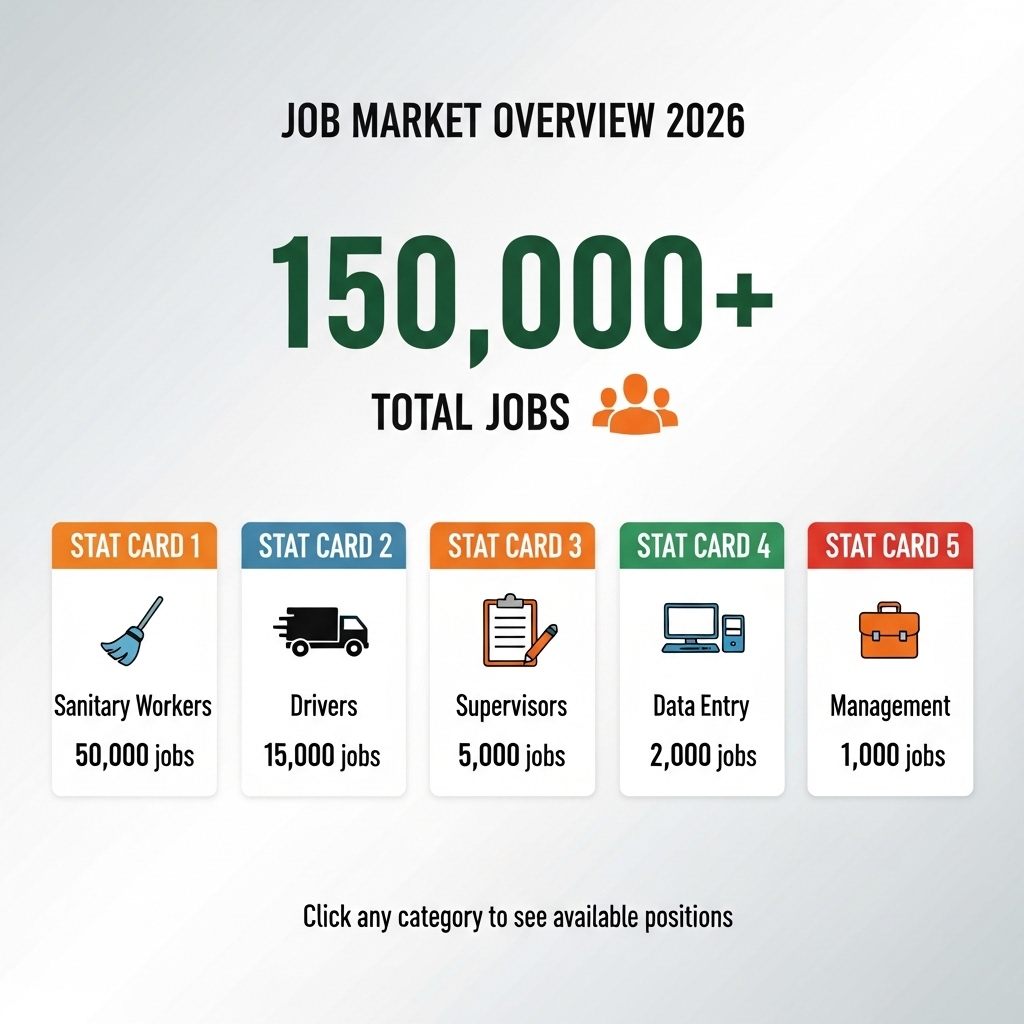
- Economy: Over 150,000 jobs created, from sweepers to managers. Regular salaries mean families can plan for the future.
- Health: Fewer diseases linked to garbage, especially in children. Clinics in low-income areas report fewer cases of diarrhea and respiratory infections.
I spoke to a doctor at a government hospital in Multan who said, "We used to see dozens of children with garbage-related illnesses every week. Now it's down to a handful. The difference is real."
ماحول اور صحت دونوں پر مثبت اثر پڑ رہا ہے۔ کھانسی، جلد کی بیماریاں اور گندگی سے ہونے والی دیگر بیماریاں کم ہو سکتی ہیں۔ ملتان کے ایک سرکاری ہسپتال کے ڈاکٹر نے بتایا کہ پہلے ہفتے میں درجنوں بچے آتے تھے، اب صرف چند۔
Challenges and Areas for Improvement
Not every place runs smoothly yet. It would be dishonest to pretend otherwise. Some areas still face issues, and being aware of them is the first step to fixing them.
- Service quality varies between districts. Some are excellent, others need work. The best-run areas are usually those with engaged local leadership.
- Recycling and waste separation at home is still low. People need more education about why it matters.
- Machines break down and need timely repairs. In remote areas, getting spare parts can take days.
- Sanitation workers need better training and safety gear. The program is working on this, but it's a gradual process.
The solution is strong local checks, citizen feedback through apps, and strict contract rules. When residents speak up, things improve faster.
ہر تحصیل میں یکساں معیار کے لیے مقامی نگرانی، شکایات کا فوری حل، اور عملے کی تربیت ضروری ہے۔ جہاں شہری شکایت کرتے ہیں، وہاں صورتحال تیزی سے بہتر ہوتی ہے۔
How Citizens Can Engage With Suthra Punjab
The program works best when people help. Every home and shop can do small things that add up to big changes.
🕒 Timely Waste
Put garbage in closed bags at the scheduled time. If you miss it, wait for the next collection—don't leave it on the street.
🚫 No Littering
Avoid throwing trash in drains, empty plots, or roads. It seems small, but it makes a huge difference.
📱 Use the App
Report missed pickups or overflowing bins through the Shehri app. Your complaint becomes data that helps improve the system.
🙏 Respect Workers
Sanitation staff do vital work. Treat them with kindness. Offer them water on hot days. A little respect goes a long way.
In one neighborhood in Rawalpindi, residents started a WhatsApp group to remind each other of collection times and share tips. Within months, their street became one of the cleanest in the area. Collective action works.
شہری خود بھی ذمہ داری نبھائیں۔ کچرا وقت پر باہر رکھیں، نالوں میں نہ پھینکیں، اور صفائی عملے کا احترام کریں۔ راولپنڈی کے ایک محلے میں لوگوں نے واٹس ایپ گروپ بنا کر شیڈول یاد رکھنا شروع کیا، اور چند مہینوں میں ان کی گلی سب سے صاف ہو گئی۔
Jobs and Opportunities in Suthra Punjab
Thousands of green jobs have been created. Positions range from field workers to supervisors and IT staff. This isn't just about cleaning—it's about building careers.
Jobs are advertised through:
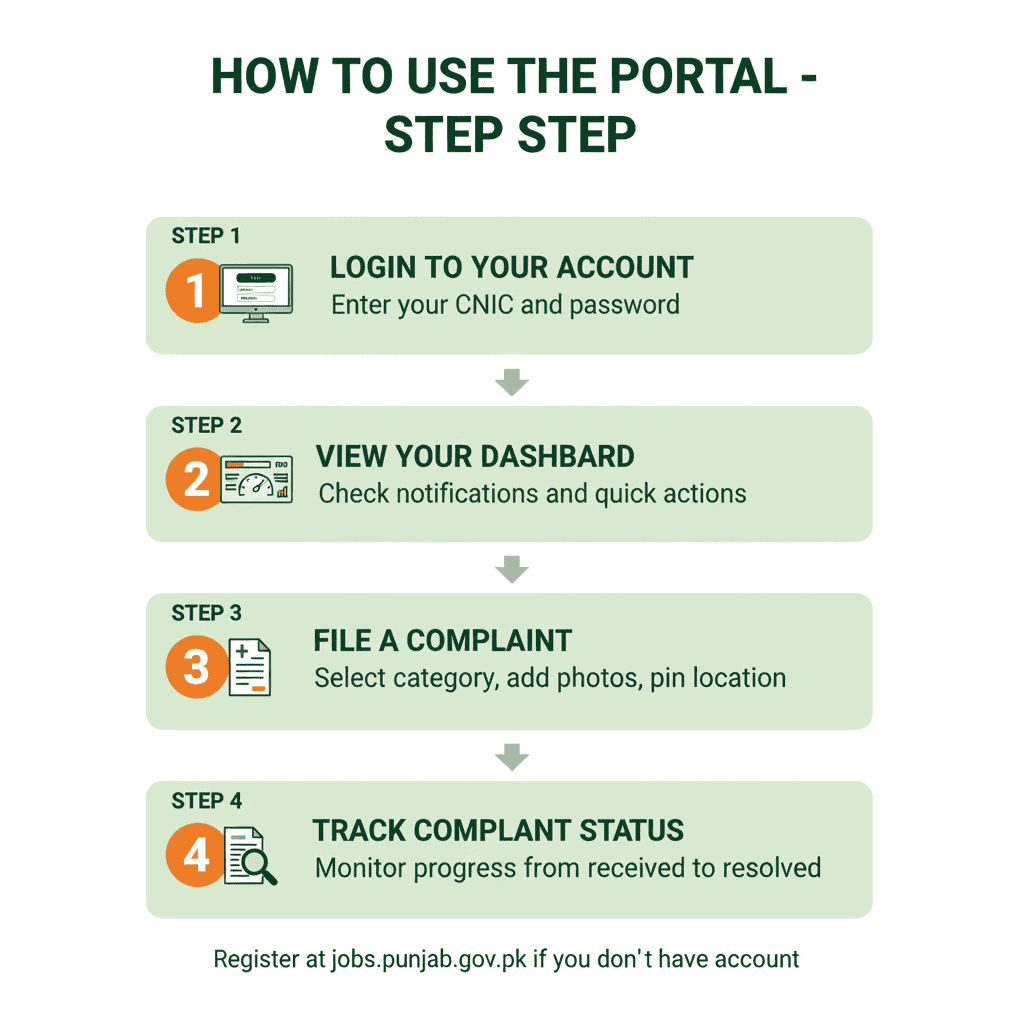
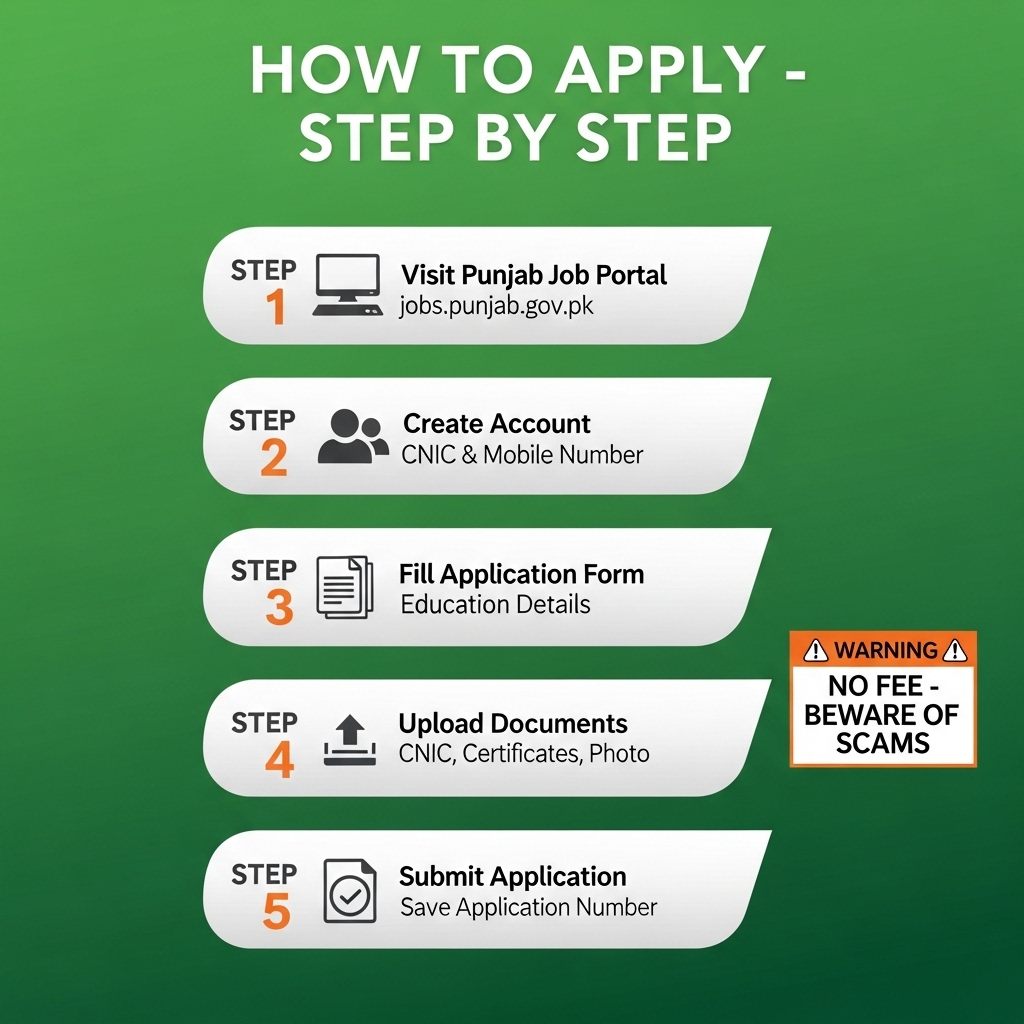
- Government job portals (jobs.punjab.gov.pk). This is the primary source.
- Newspapers like Jang, Nawa-i-Waqt, and Express. Check Sunday editions.
- Notices at tehsil and district offices. Local posts are often announced here first.
A friend of mine applied through the portal and got a job as a monitoring officer within three months. "I never thought I'd find stable work so close to home," he says. "Now I'm helping make my own community cleaner."
⚠️ Beware of Fraud
Never pay money to anyone promising a job. All genuine applications are free or require a bank challan only. I've heard too many stories of people losing hard-earned money to scammers. Don't be one of them.
نوکریوں کے لیے ہمیشہ سرکاری ذرائع استعمال کریں۔ کسی ایجنٹ کو پیسے نہ دیں۔ میرے ایک دوست نے آن لائن درخواست دی اور تین ماہ میں مانیٹرنگ آفیسر بن گیا۔ اصلی نوکری کے لیے کبھی پیسے نہیں مانگے جاتے۔
Explore Suthra Punjab Resources
Everything you need to know about the program—from filing complaints to finding jobs—all in one place.
About This Website
This site is made to help people understand Suthra Punjab in simple words. We gather information from official documents and news, then explain it clearly. No jargon, no complicated language—just the facts you need.
I started this project after watching my own parents struggle to understand how to file a complaint. They're not comfortable with technology, and the official portals can be overwhelming. If this site helps even one person like them, it's worth it.
For official services like logging complaints or applying for jobs, always visit the government's own portals. We're just a guide—they're the real deal.
🌐 Official Links
Punjab Job Portal: jobs.punjab.gov.pk
Shehri App: Available on Google Play and Apple Store
Helpline: 1139 (toll-free, 24/7)
یہ ویب سائٹ صرف معلومات کے لیے ہے۔ سرکاری کام کے لیے براہ راست حکومتی پورٹل استعمال کریں۔ میں نے یہ سائٹ اس لیے بنائی کیونکہ میرے اپنے والدین کو سرکاری پورٹل استعمال کرنے میں دشواری ہو رہی تھی۔ اگر یہ معلومات کسی ایک شخص کی بھی مدد کرے، تو یہ کافی ہے۔