Suthra Punjab Monitoring: AI, GPS & Real-Time Control Room
How AI, GPS, and a 24/7 Control Room ensure no garbage is left behind in Punjab.
Inside the High-Tech Control Room
Imagine a room where thousands of screens show every garbage truck, every worker, and every bin in Punjab in real-time. This isn't science fiction; it's the Suthra Punjab Control Room at the Head Office in Lahore.
I visited this room last month. The first thing that strikes you is the sheer scale—a wall of screens showing maps dotted with moving green icons, each one representing a vehicle. Operators sit at curved desks, headphones on, calmly responding to alerts that pop up on their screens. The atmosphere is focused but not frantic. Everything is under control.
Before this system, no one knew if trucks actually went to the villages or if workers were on duty. A contractor could claim they'd covered a route, and there was no way to verify. Today, under the supervision of the Director General (DG), every single move is tracked digitally. The data doesn't lie.
🖥️ Live Monitoring Dashboard
As Shoaib Dar, Head of Control Room, explains: "Our main goal is to spot gaps immediately. If a truck stops for too long, if a bin isn't emptied on schedule, if a worker doesn't check in—the system alerts us instantly. We don't wait for complaints to come in; we proactively fix problems before citizens even notice them."
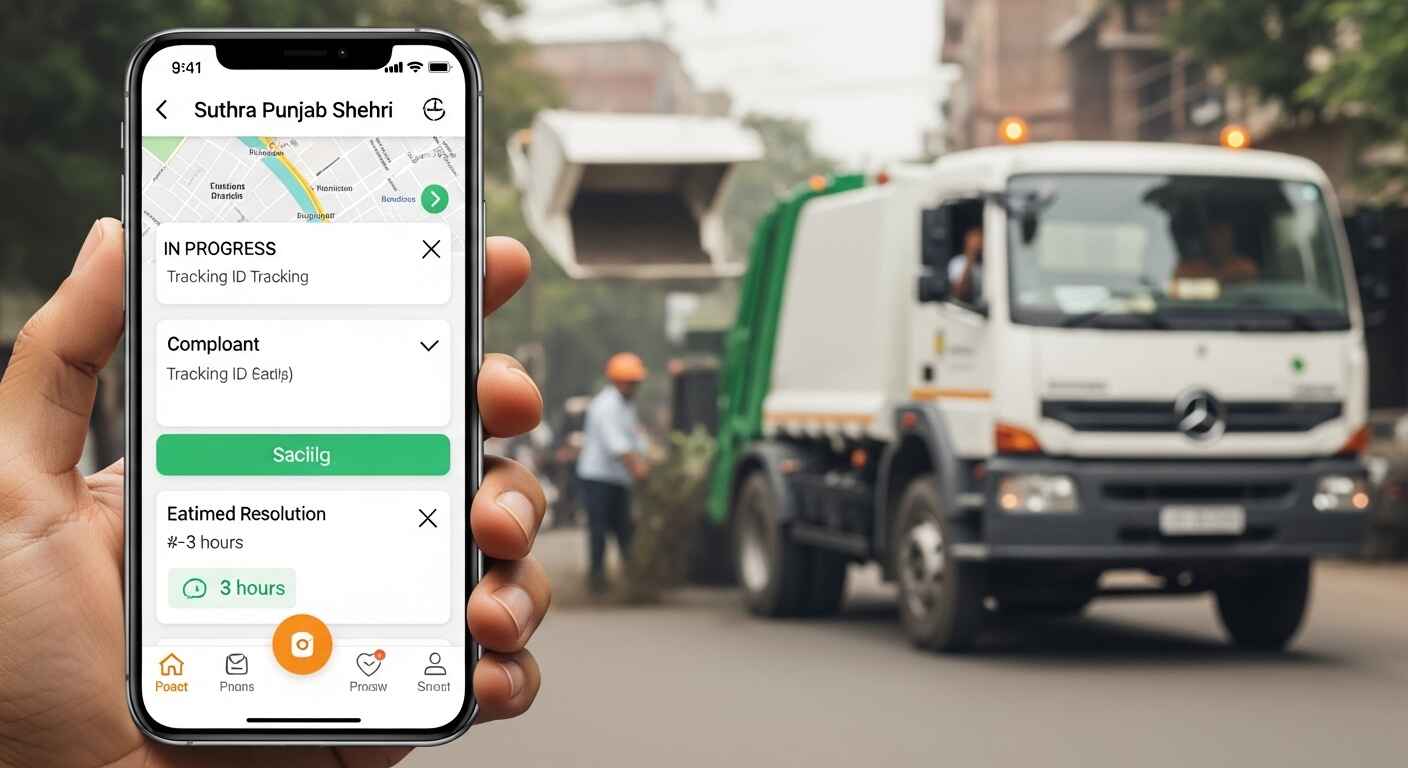
This centralized command center ensures that whether you are in a big city like Lahore or a remote village near the Indian border, the service is the same. If a citizen complains, the control room sees the exact location on the map, checks which vehicle is closest, and dispatches them immediately. No more excuses. No more delays.
What Monitoring Means for You
For most people, the control room is invisible. You never see it, never visit it. But its effects are felt on every street, every day.
Take the example of Khalid, a shopkeeper in Rawalpindi's Raja Bazaar. For years, he watched garbage trucks drive past his street without stopping. When he complained, officials would promise action, but nothing changed. Today, when he calls the helpline, the operator can see exactly which truck was assigned to his area, where it went, and why it missed his street. Within hours, a supervisor visits him personally to explain and fix the problem.
"The difference is accountability," Khalid says. "Before, they could make excuses. Now, the data proves whether they did their job or not. And they know I can see it too."
In another part of the city, a sanitation worker named Naseem has a different perspective. "At first, I didn't like being tracked," she admits. "It felt like they didn't trust us. But then I realized it protects us too. When a shopkeeper falsely claimed we hadn't cleaned his street, the GPS showed we were there. The supervisor believed us, not him."
Smart Technology at Work
Suthra Punjab isn't just about sweeping streets; it's about using smart technology to guarantee results. The system combines several layers of technology, each serving a specific purpose.
GPS Tracking
Every truck and rickshaw has a GPS device that reports its position every 30 seconds. We know exactly where they are, what route they took, how long they stopped, and if they reached the landfill site. This data is stored for months, creating an auditable record of every vehicle's movements.
Facial Recognition
Workers mark attendance by scanning their faces at geo-tagged locations at the start and end of their shifts. The system ensures they are actually at the assigned location, not just sending someone else to mark attendance. No more "proxy" attendance or fake records.
AI Algorithms
Artificial Intelligence analyzes patterns in the data to predict where garbage might pile up, which routes are most efficient, and which contractors are consistently underperforming. The system learns from past data and gets smarter over time.
Smart Bins & Sensors
In high-traffic areas, bins are equipped with sensors that measure how full they are. When a bin reaches capacity, the system automatically adds it to the next truck's route. This means trucks are sent only when needed, saving fuel, reducing emissions, and preventing overflow.
This digital approach means transparency. Contractors cannot hide poor performance because the data speaks for itself. When payments are calculated based on actual work done, everyone has an incentive to perform.
A Day in the Control Room
The control room operates in three shifts, 24 hours a day, seven days a week. I spent an evening there recently, watching the team handle the evening rush—the time when most complaints come in.
At 6:30 PM, an alert popped up on the screen. A bin in Township, Lahore, had been 90% full for six hours and hadn't been emptied. The system automatically checked which vehicles were in the area, found one that had just finished its route, and dispatched it. Within 45 minutes, the bin was empty and the alert cleared.
At 7:15 PM, a citizen called to report that garbage had been lying on his street for three days. The operator pulled up the vehicle logs for that area. They showed that a truck had been assigned but had broken down two hours into its shift. Another truck was rerouted immediately, and the caller was given an estimated arrival time of 30 minutes. He sounded surprised—and grateful.
"People are used to being ignored," the shift supervisor told me. "When they call and get a real answer, when they see action within hours instead of weeks, it changes how they feel about the entire system. Trust is built one interaction at a time."
Human + Digital = Perfect Results
While technology is powerful, human verification is still key. Field Monitoring Officers (FMOs) are deployed across every two Union Councils. These are the people who walk the streets, talk to residents, and see with their own eyes whether the work has been done properly.
Their job is simple but essential: physically check if the street is clean. They cross-verify the digital data with ground reality. If a citizen files a complaint, these officers are often the first to respond. They take photos, talk to witnesses, and file reports that become part of the permanent record.
I accompanied one FMO, Sajid, on his rounds in a low-income neighborhood on the outskirts of Lahore. He knew every street, every shopkeeper, every resident who regularly complained. "The system gives me data," he said, "but my eyes tell me the truth. Sometimes the data says a street was cleaned, but I can see with my own eyes that it wasn't. I override the system and mark it incomplete."
That override triggers a penalty for the contractor. It also triggers a re-cleaning. Within hours, the street is swept again, and this time, Sajid returns to verify. "The contractors know I'll check. They know I have the final say. It keeps them honest."
How Complaints Are Handled:
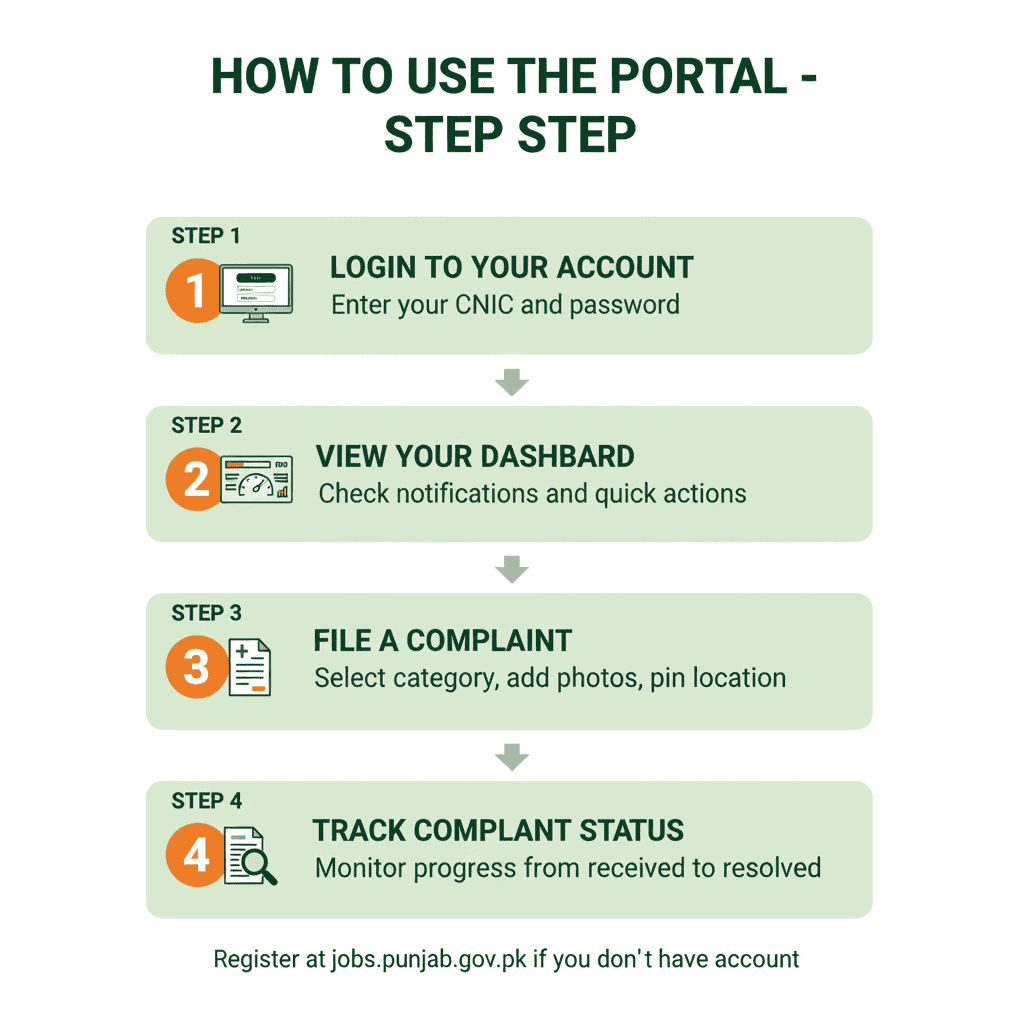
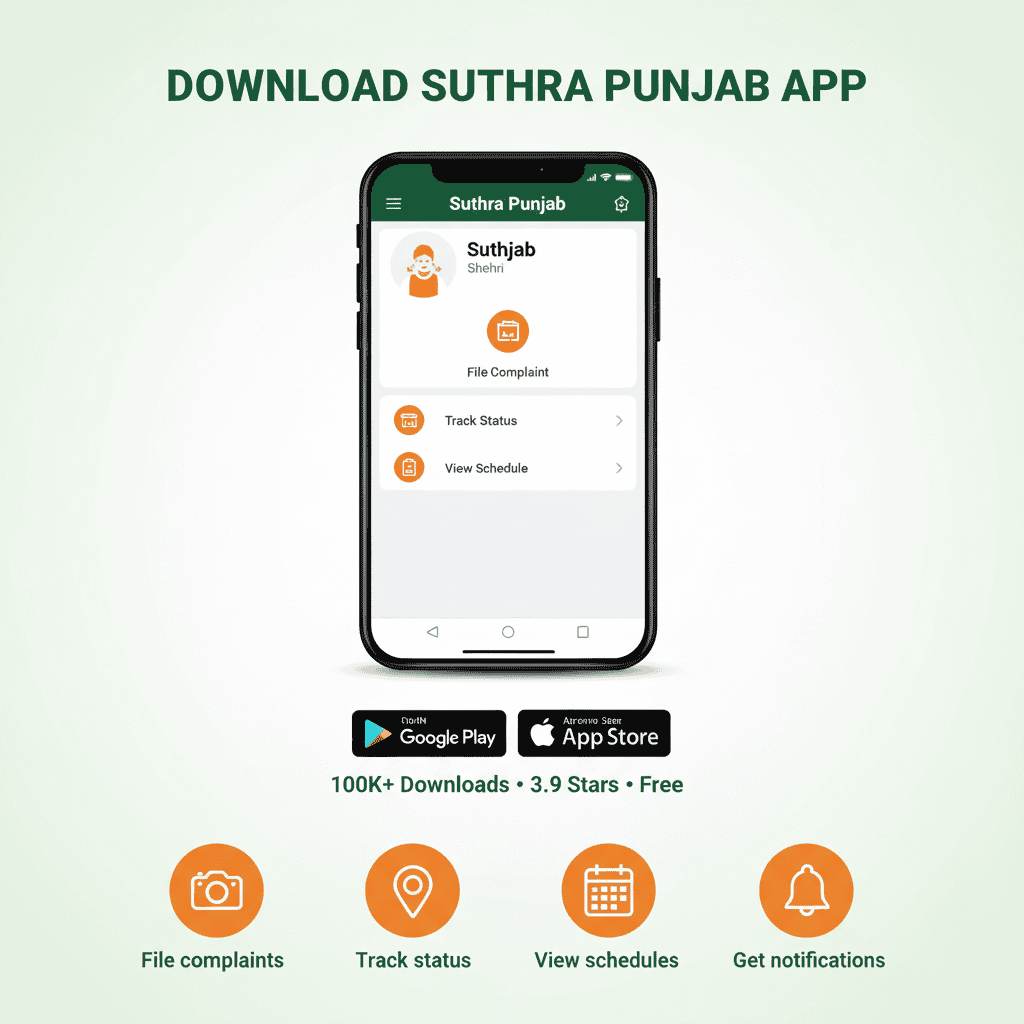
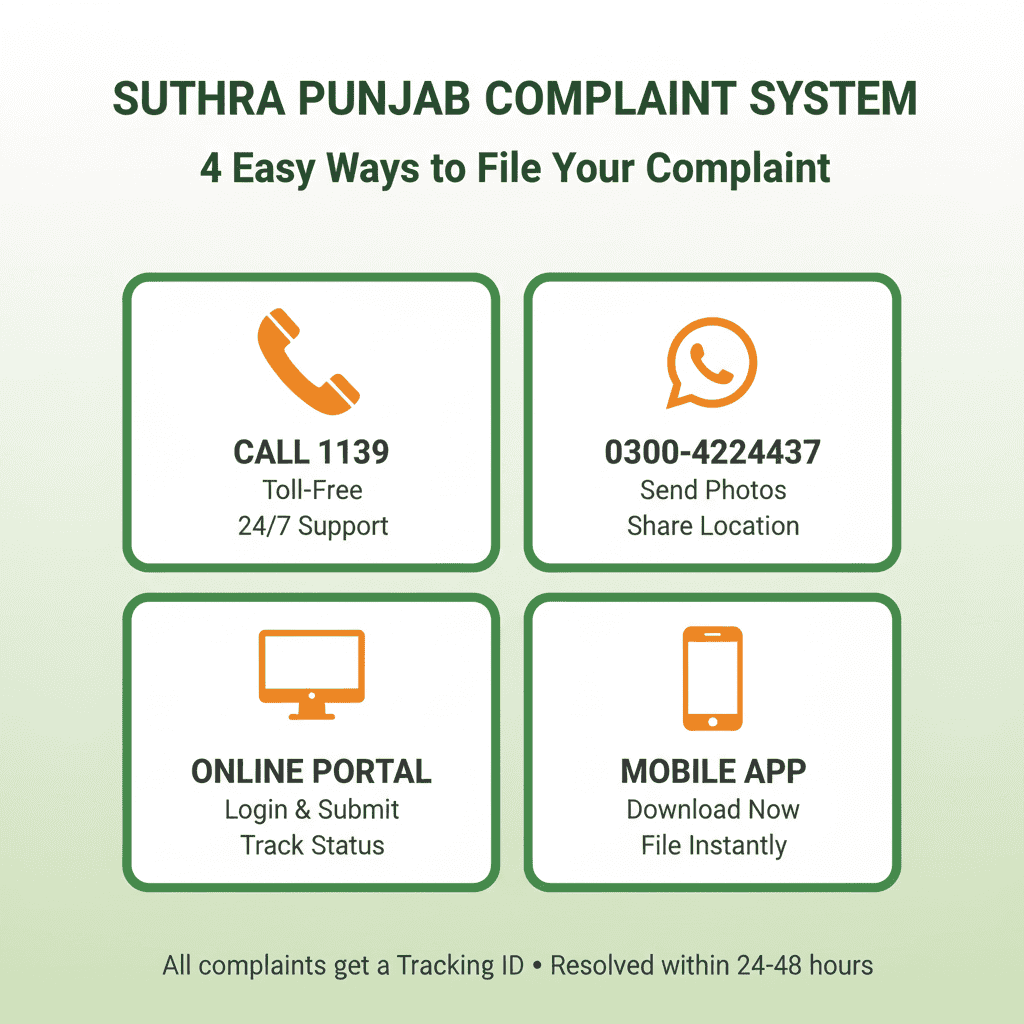
- Receipt: Complaint comes via Suthra Punjab complaint WhatsApp number, App, or Helpline. The system automatically assigns a tracking ID.
- Tracking: Control Room locates the issue on the digital map and identifies the responsible contractor.
- Action: Nearest team is dispatched immediately. The citizen gets an SMS with the team's estimated arrival time.
- Verification: FMO visits the site, confirms the cleanup, and uploads photos to the system.
- Feedback: Citizen receives a message that the job is done and is asked to rate their experience.
This entire process usually takes just 2 to 3 hours. In urgent cases—like a blocked drain during monsoon—it can be as fast as 30 minutes.
Explore Suthra Punjab Resources
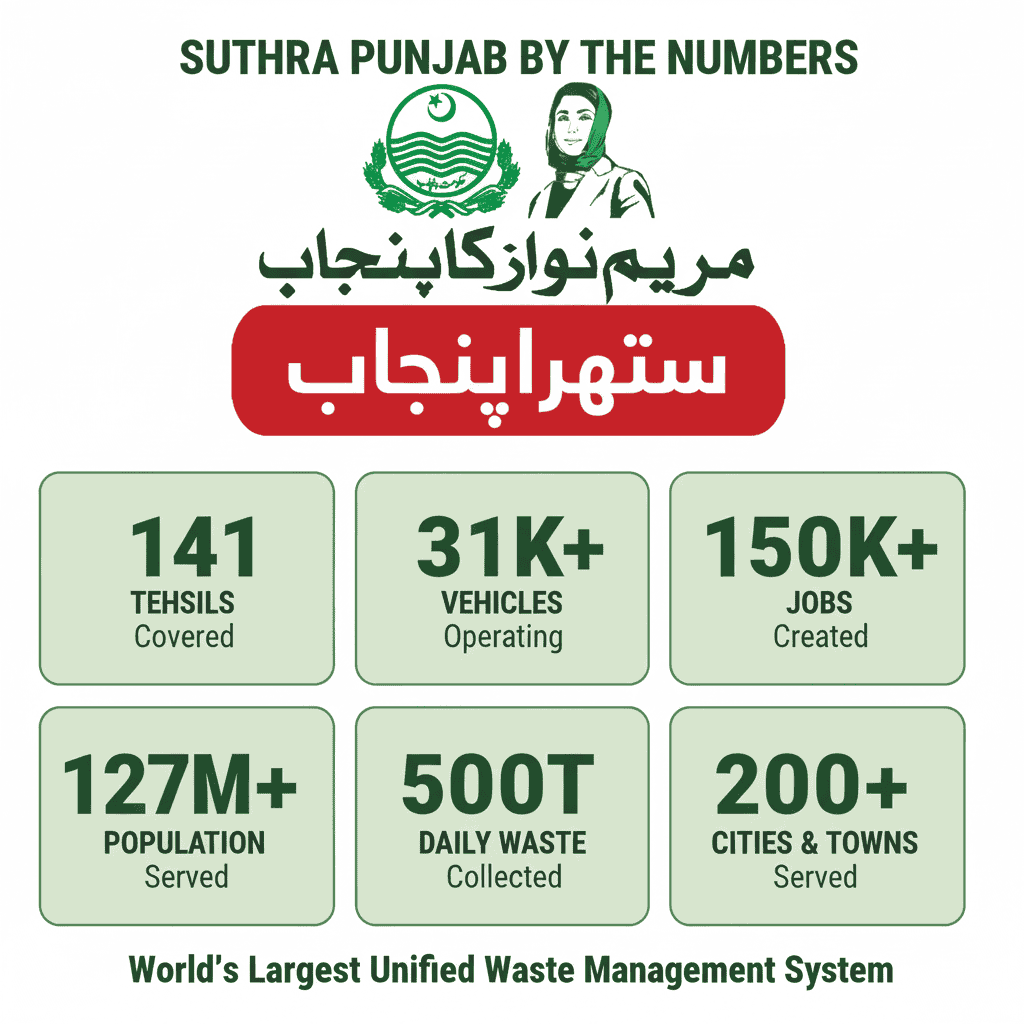
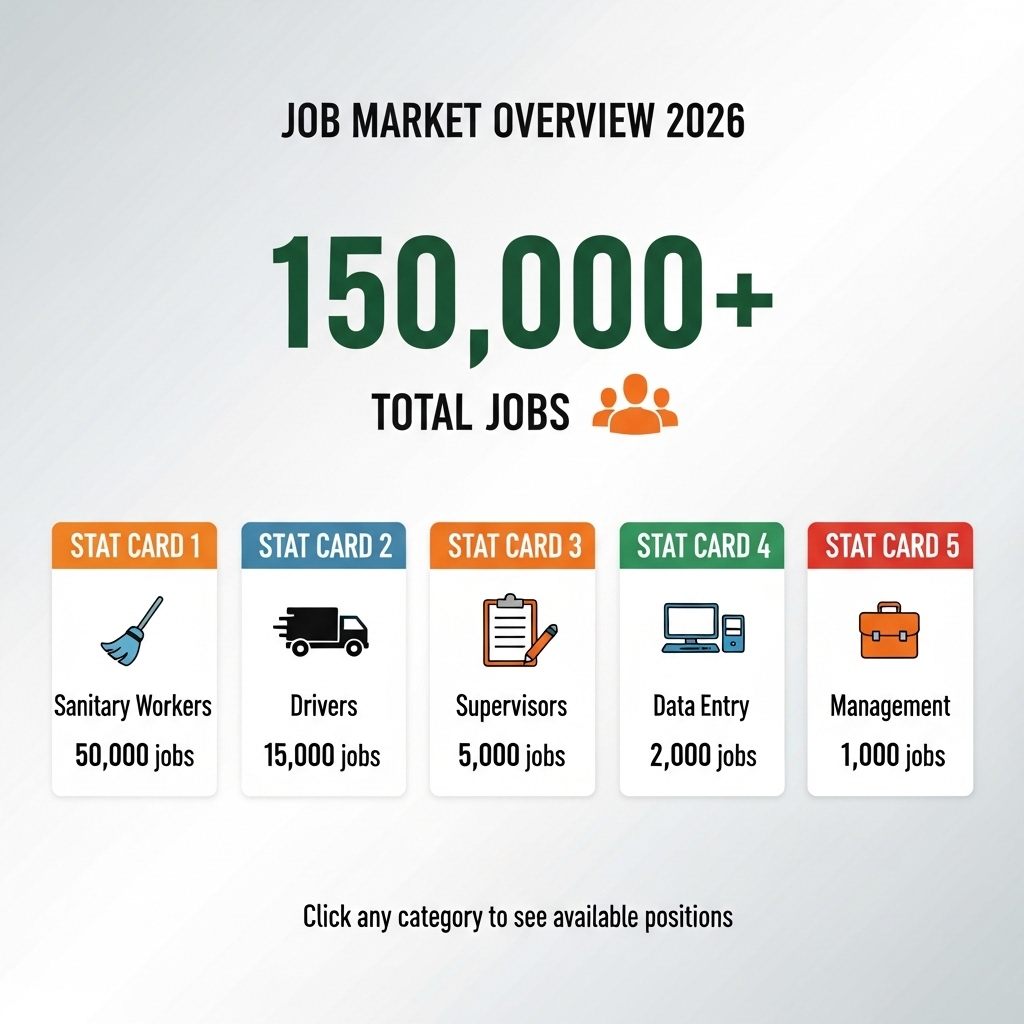
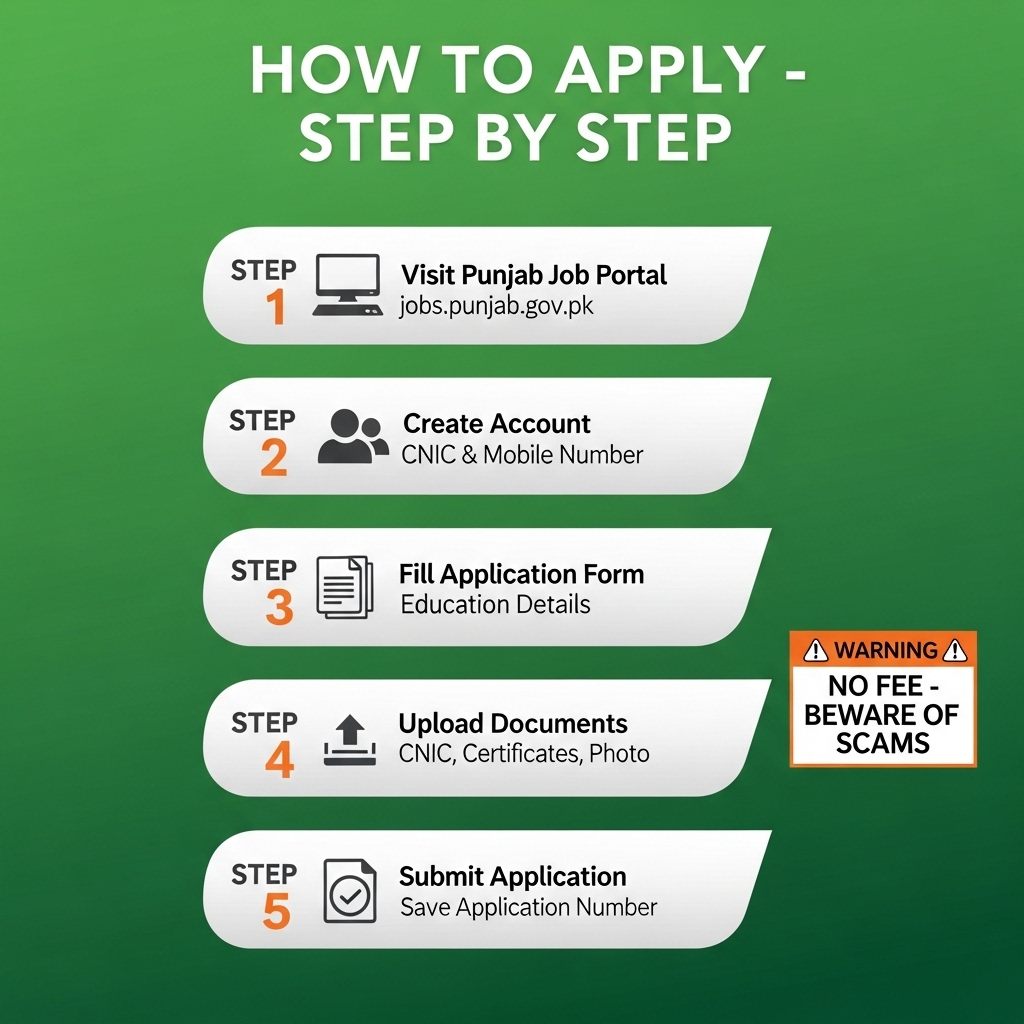
Everything you need to know about the program—from filing complaints to finding jobs—all in one place.
The Future of Monitoring
The system is constantly evolving. Engineers are working on predictive analytics that will identify neighborhoods at risk of becoming dirty before it happens. By analyzing patterns of complaints, weather data, and population density, the AI will soon be able to suggest proactive measures—sending extra trucks to an area before a holiday, increasing frequency in a rapidly growing neighborhood, adjusting routes during monsoon season.
There are also plans to integrate air quality sensors into the monitoring system. When dust from construction or smoke from illegal burning is detected, the control room will automatically dispatch water sprinklers or fire response teams. The same sensors that track garbage will soon track pollution, making the system even more comprehensive.
And then there's the data itself. Every vehicle movement, every worker attendance, every complaint and resolution is stored and analyzed. This data is used to create performance reports for contractors, to identify training needs for workers, and to plan future investments. It's a living record of Punjab's journey toward cleanliness.
A Transparent Future
The era of unchecked waste management is over. With Suthra Punjab, every rupee spent and every kilogram of waste collected is accounted for. This transparency has earned us trust from citizens and recognition from global media like Forbes and BBC.
But more importantly, it has changed expectations. Citizens now know that when they report a problem, someone will see it, someone will act on it, and someone will be held accountable if it isn't fixed. Contractors know they can't cut corners. Workers know their efforts are recognized and their rights are protected.
We are building a system where cleanliness is not just a promise, but a guaranteed, monitored reality. A system where technology serves people, not the other way around.