Program Structure
پروگرام کی ساخت اور گورننس
Suthra Punjab is more than a short-term cleanup effort. It is a full management system spread across the province. The setup uses partnerships between public and private groups, digital oversight, and detailed agreements to handle waste in every district.
When I first started researching this program, I was struck by how complex the structure is. There are layers of responsibility—from the Chief Minister's office all the way down to the worker sweeping a street in a small village. Understanding this structure is the first step to understanding how to make the system work for you.
📊 By the Numbers
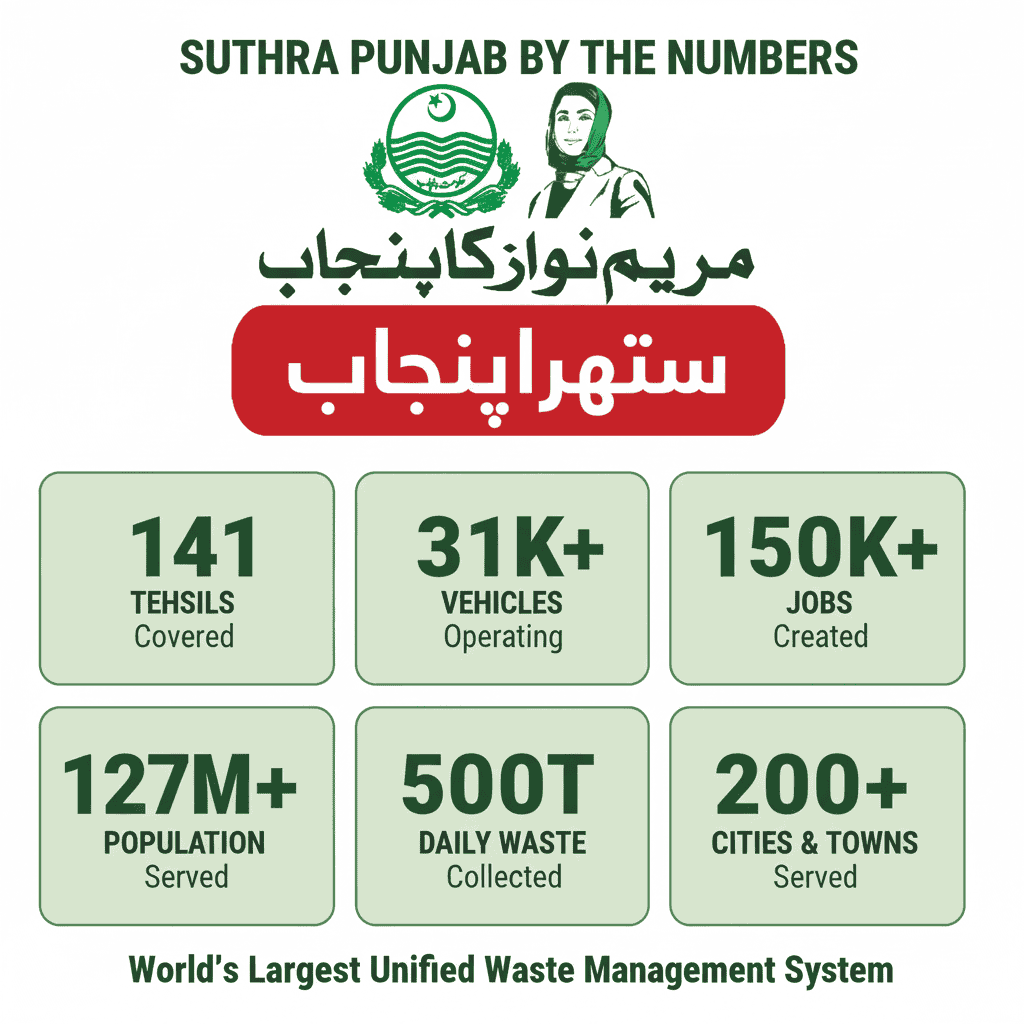
Covers all 36 districts and over 140 tehsils.
Runs on performance-based contracts with private companies.
Uses GPS tracking, dashboards, and a citizen app for monitoring.
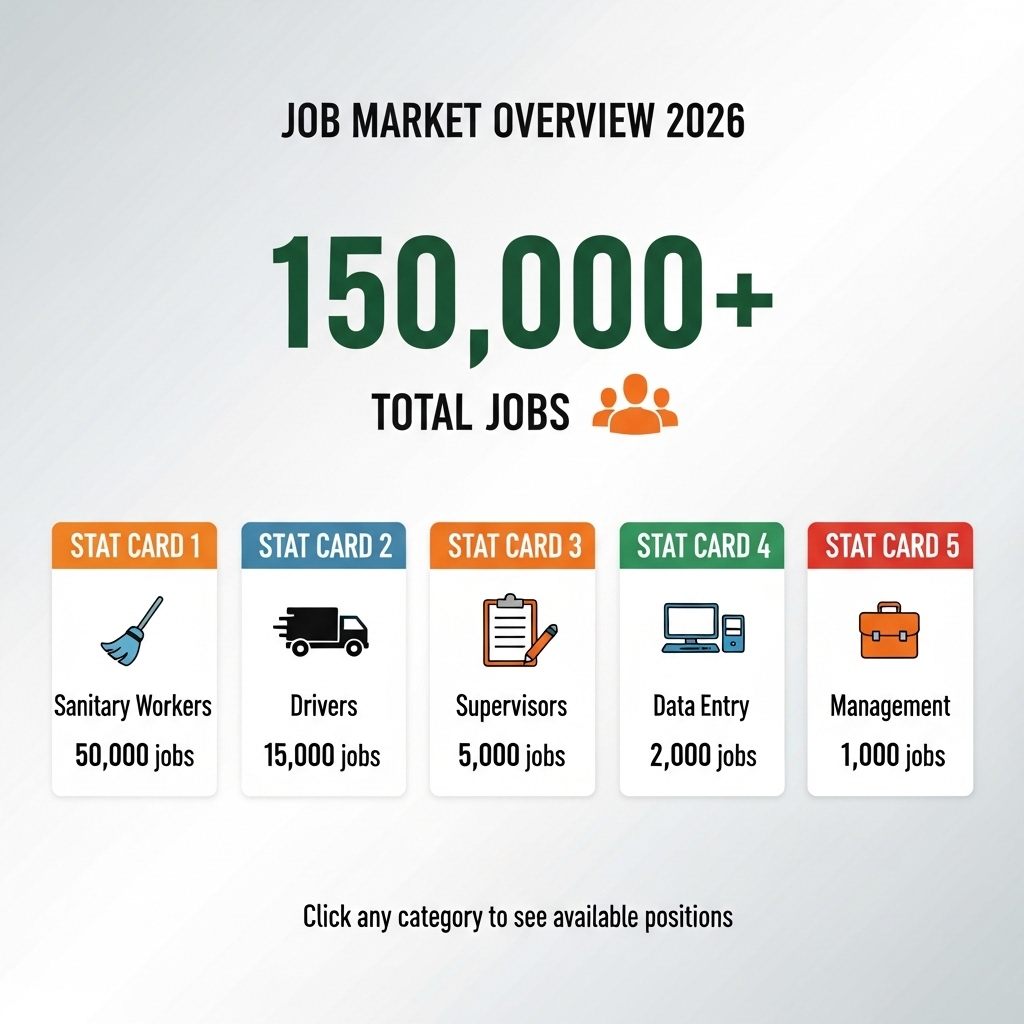
Over 150,000 workers employed across the system.
ستھرا پنجاب صفائی کی عارضی مہم نہیں بلکہ پنجاب بھر میں پھیلا ہوا ایک منظم نظام ہے۔ اس میں سرکاری اور نجی شراکت، ڈیجیٹل نگرانی اور واضح معاہدوں کے ذریعے کچرا اٹھانے کا کام کیا جاتا ہے۔ وزیراعلیٰ کے دفتر سے لے کر گلی میں جھاڑو دینے والے کارکن تک، ہر سطح پر ذمہ داریاں طے ہیں۔
This page explains how the program is organized, who handles what, and how citizens can seek answers. It is an independent overview, not an official government document.
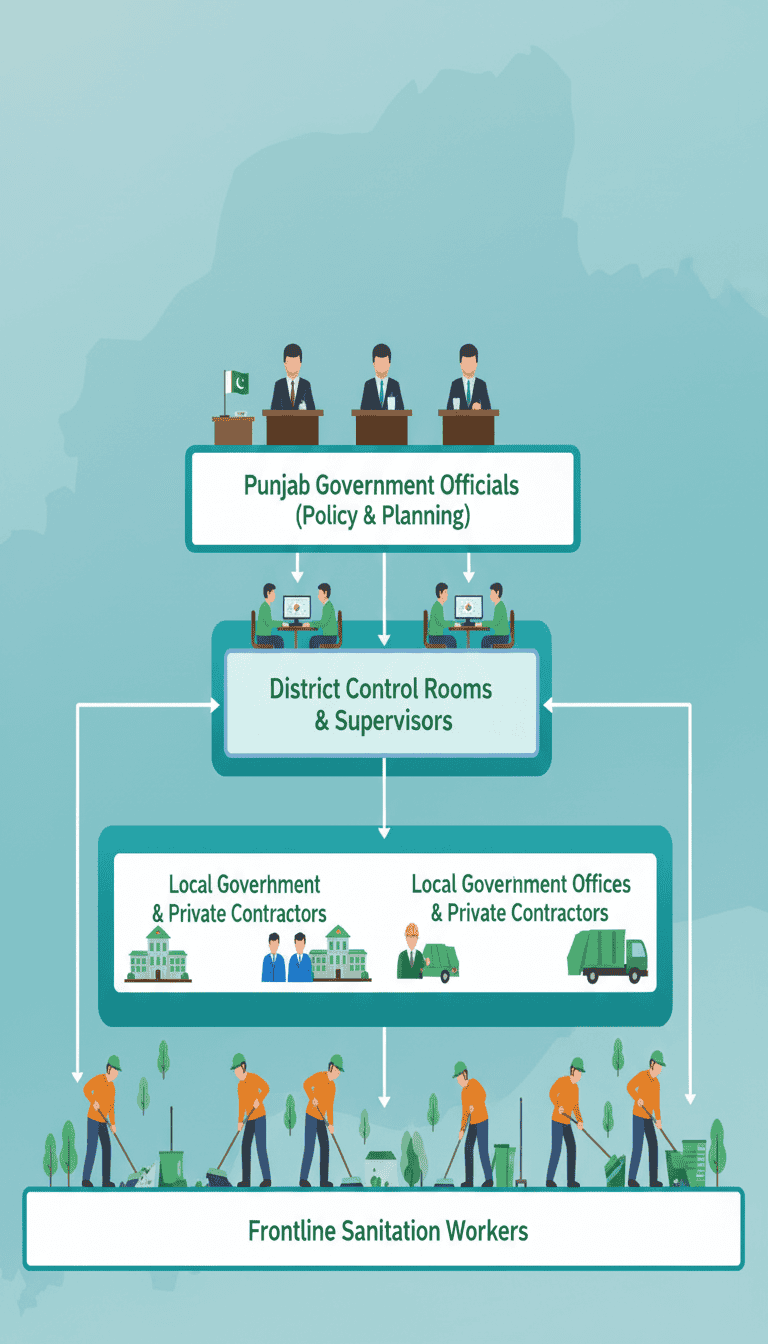
1. Program Structure Overview
The system serves more than 130 million people across roughly 40 districts, 141 tehsils, and over 220 local governments. Instead of one central agency, multiple public-private contracts divide the work. Each contract covers a set of tehsils or a city cluster and lists exactly what vehicles, staff, and machinery the private company must provide.
Think of it like this: the government sets the rules and pays the bills, but private companies do the daily work. This model allows the program to scale quickly without the government having to buy thousands of trucks overnight.
Levels of Operation
- Province level: Sets policy, budget, and overall standards. This is where decisions about expansion and new technology are made.
- Division/District level: Runs control rooms, inspections, and support. District officers are the link between policy and practice.
- Tehsil/Local level: Coordinates with private operators and communities. Tehsil officials know the local issues best.
- Neighborhood level: Workers, route supervisors, and daily tasks. This is where the actual work happens.
A friend who works as a supervisor in Rawalpindi explained it to me simply: "My job is to make sure the rules made in Lahore actually mean something on the streets here. If there's a gap between policy and practice, I'm the one who has to fix it."
اوپر والی سطح پر حکومت پالیسی اور بجٹ طے کرتی ہے۔ درمیان میں افسران نگرانی کرتے ہیں۔ نیچے نجی کمپنیاں اور صفائی عملہ روزانہ کام کرتا ہے۔ راولپنڈی میں میرے ایک دوست جو سپروائزر ہیں، کہتے ہیں کہ ان کا کام لاہور میں بننے والی پالیسیوں کو گلیوں میں نافذ کرنا ہے۔
Real Story: A Day in the Life of a Tehsil Officer
I spent a day with a tehsil officer in Sahiwal to understand how the structure works on the ground. His name is Ahmed, and he's responsible for overseeing sanitation in a tehsil of about 300,000 people.
His day starts at 7 AM, checking the GPS tracking system to see which vehicles started their routes on time. By 8 AM, he's on the phone with contractors, discussing any issues from the previous day. Mid-morning, he visits neighborhoods where complaints have been filed, talking to residents and workers alike.
"The key is communication," he told me. "If a contractor is struggling, I need to know why. If workers aren't getting paid on time, I need to intervene. If citizens are unhappy, I need to understand what's really happening."
Ahmed's role is a perfect example of how the structure works in practice. He doesn't sweep streets himself, but he makes sure the system functions. When it doesn't, he's the first person citizens can hold accountable.
2. Governance Framework
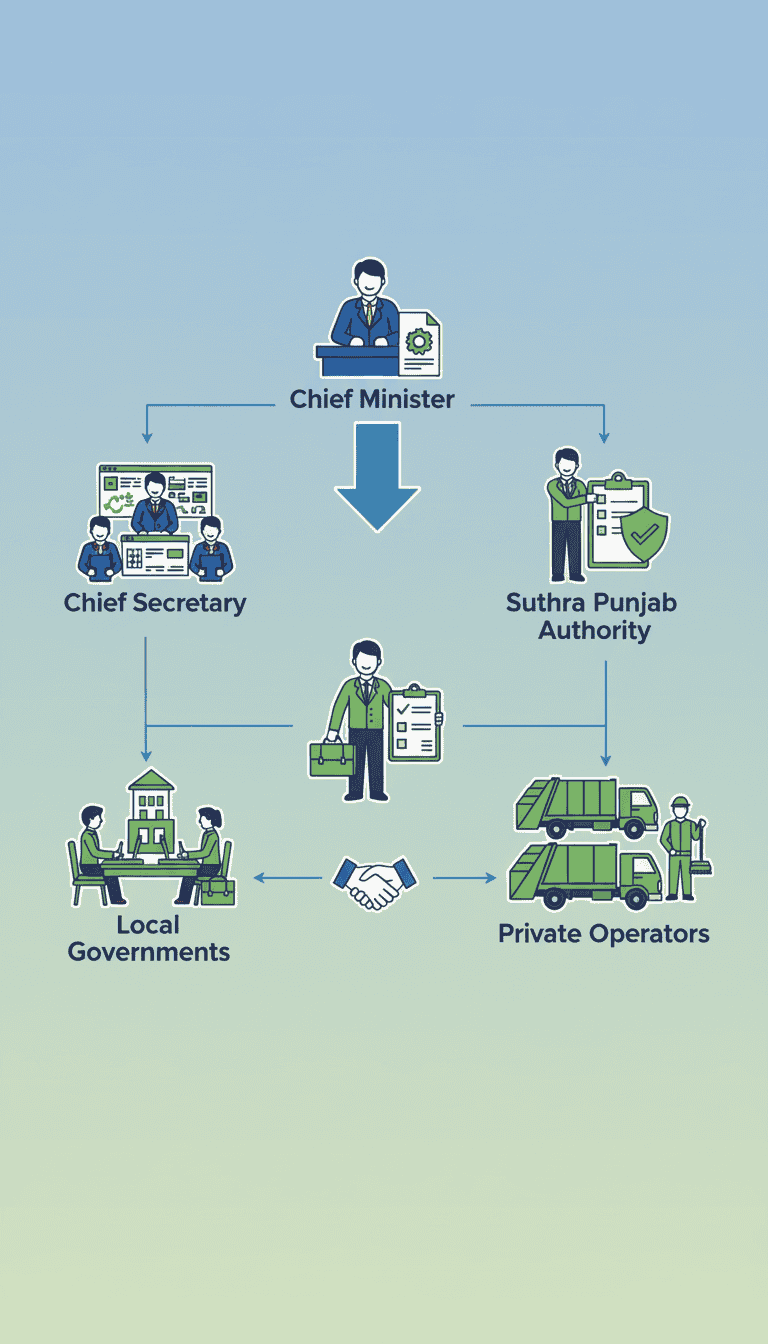
The program divides duties clearly between government bodies and private firms. Political leaders give direction, while administrative officials turn those directions into rules and action plans. It's a balance between vision and execution.
Key Groups and Their Roles
🏛️ Chief Minister & Cabinet
Approve budget, set province-wide targets like zero visible waste, and decide expansion to new areas. They provide the political will.
📋 Chief Secretary & Departments
Turn targets into rules, coordinate with local governments, and review reports from control rooms. They're the administrators.
⚖️ Suthra Punjab Authority
A dedicated body to oversee contracts, set service standards, monitor dumping sites, and promote tree planting. They're the watchdogs.
🏘️ Local Governments
Mayors and tehsil officials work with contractors, fix local problems, and run awareness drives. They know their areas best.
🏭 Private Operators
Deliver daily services under contracts with strict performance targets. They're the ones doing the actual work.
حکومت پالیسی اور اختیار رکھتی ہے۔ نجی کمپنیاں روزمرہ کام کرتی ہیں۔ کارکردگی کو مخصوص پیمانوں (KPIs) سے ناپا جاتا ہے۔ ہر سطح پر ذمہ داریاں واضح ہیں۔
3. Public Private Partnership (PPP) Model
Most work happens through multi-year contracts with private companies. These agreements are designed to attract investment while protecting public money. It's a model used successfully in many countries, and it's working here too.
I spoke to the owner of one contracting company in Faisalabad. He was hesitant at first about working with the government—he'd heard horror stories about delayed payments and bureaucratic headaches. But the system has changed. "Payments come on time if we meet our targets," he said. "The GPS tracking means they know exactly what we've done. It's fair for everyone."
How the PPP Model Works
- Contract length: Usually about four years, long enough for companies to invest in vehicles and training without worrying about losing the contract next month.
- Risk sharing: Companies handle fuel, maintenance, and staff. Government handles policy, planning, and payment guarantees.
- Financial safeguards: Contracts include advance payments, performance guarantees, and withheld money to ensure quality. If a company fails to perform, they don't get paid.
- Pay linked to KPIs: Monthly payments depend on route coverage, cleanliness scores, and complaint response times. This keeps everyone honest.
📌 PPP Benefits and Risks
Benefits: Government does not have to buy every vehicle itself. Private companies can move faster and innovate. Risks: If monitoring is weak, companies may cut corners. The solution is strong oversight and transparent contracts—exactly what the control room provides.
پی پی پی ماڈل کا فائدہ یہ ہے کہ حکومت کو خود گاڑیاں نہیں خریدنی پڑتیں۔ نجی کمپنیاں تیزی سے کام کر سکتی ہیں۔ نقصان یہ ہو سکتا ہے کہ اگر نگرانی کمزور ہو تو کمپنیاں معیار گرا دیں۔ فیصل آباد میں ایک ٹھیکیدار نے بتایا کہ جی پی ایس ٹریکنگ کی وجہ سے اب ادائیگیاں بروقت ملتی ہیں۔
4. Digital Governance, Control Rooms and KPIs
The program uses technology to reduce paperwork and human error. GPS tracks vehicles, dashboards show real-time data, and citizens can report issues through an app. I've spent time in the control room in Lahore—it's impressive to watch.
Core Digital Systems
- Control rooms: Set up at provincial, district, and tehsil levels to monitor routes and handle complaints. The main control room has a wall of screens showing every vehicle in real-time.
- GPS tracking: Vehicles are tracked so missed streets can be spotted quickly. If a truck skips a street, the system knows within minutes.
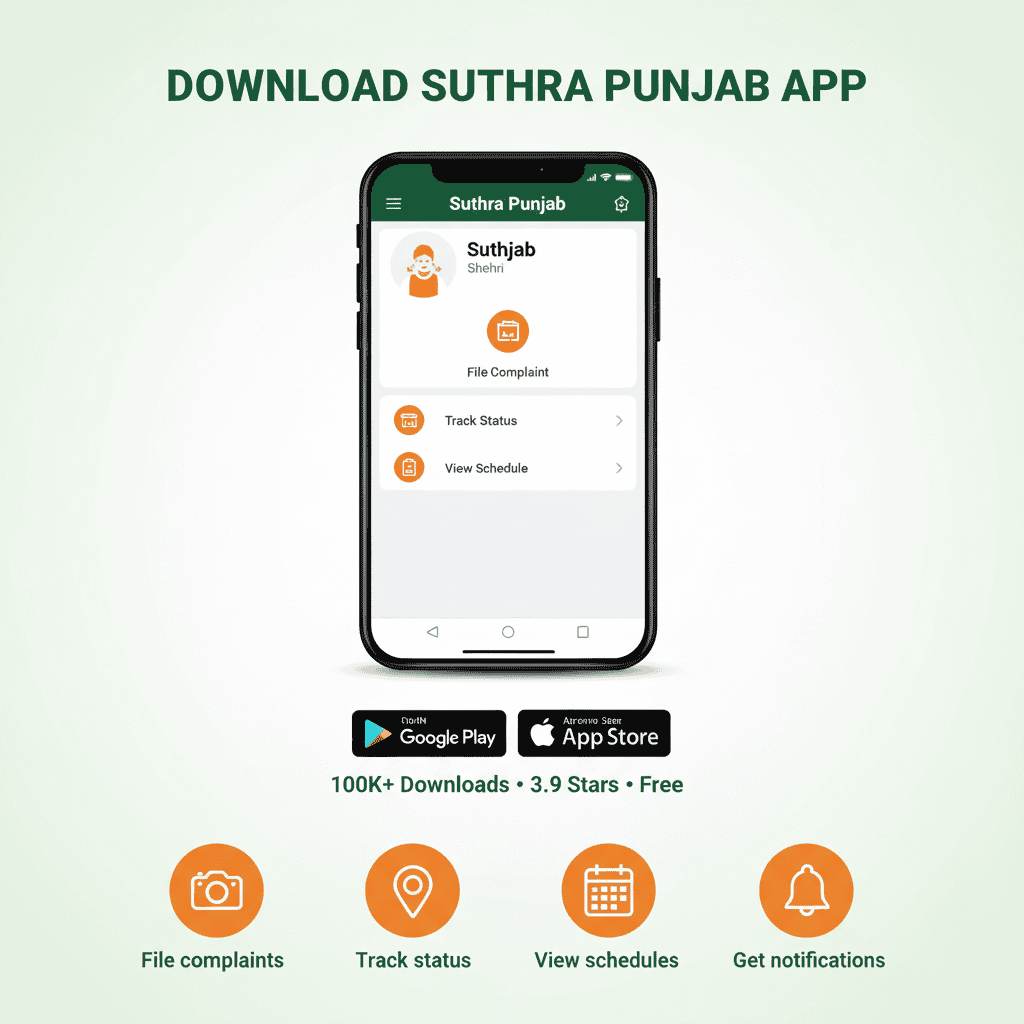
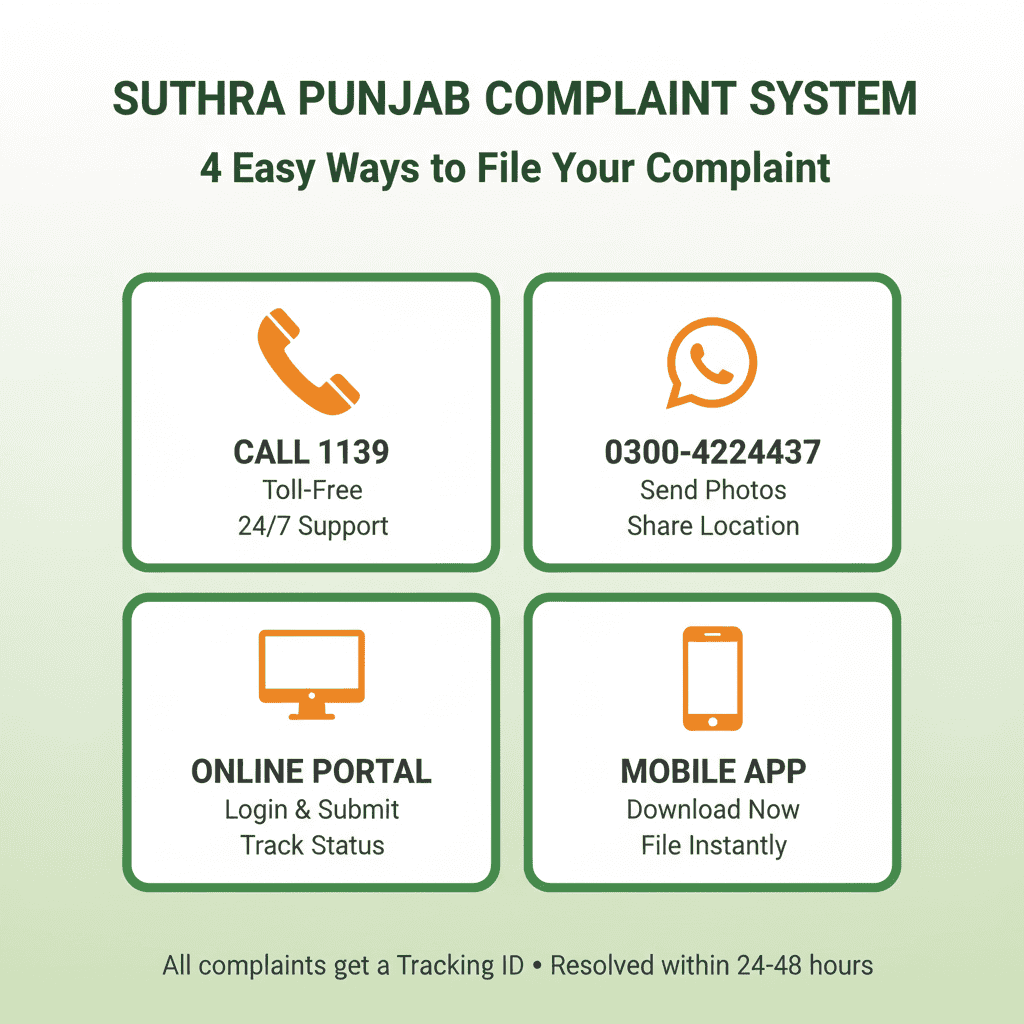
- Shehri app and 1139 helpline: Citizens can report missed pickups, upload photos, and track responses. Over 100,000 people have downloaded the app.
- Digital attendance: Staff check-in digitally to reduce fake workers. Facial recognition ensures the person checking in is actually the worker assigned to that route.
- KPIs on dashboards: Data on collection coverage, complaint resolution time, and landfill use is displayed publicly. Anyone can see how their area is performing.
The operator I spoke to in the control room put it simply: "Before this, contractors could lie. They'd say they covered a route, and we had no way to check. Now the data doesn't lie. If a street wasn't cleaned, we know. If a worker didn't show up, we know."
یہ ڈیجیٹل نظام بدعنوانی اور لاپرواہی کو کم کر سکتا ہے، لیکن شرط یہ ہے کہ ڈیٹا کو حقیقی طور پر استعمال کیا جائے اور شہریوں کو شکایتوں کا جواب ملے۔ کنٹرول روم میں ایک آپریٹر نے بتایا کہ پہلے ٹھیکیدار جھوٹ بول سکتے تھے، اب ڈیٹا سچ بولتا ہے۔
5. Scale, Statistics and Achievements
The numbers are staggering, but they represent real change in people's lives. Here's what the program has achieved so far:
| Metric | Figure |
|---|---|
| Districts covered | 40 districts |
| Tehsils covered | 141 tehsils |
| Local governments | 220+ |
| Cleaning machines | 21,000+ |
| Budget allocated (2024-25) | Rs 120 billion |
| Jobs created | 150,000+ |
The program also handled major clean-up operations during events like Eid-ul-Adha, quickly removing festival waste from cities. In Lahore alone, over 10,000 tons of waste were collected and disposed of within 72 hours after Eid.
یہ اعداد بتاتے ہیں کہ ستھرا پنجاب محض کاغذی منصوبہ نہیں بلکہ حقیقی مشینری، گاڑیوں اور ہزاروں ملازمین پر مشتمل ایک بڑا نظام ہے۔ عیدالاضحیٰ پر صرف لاہور سے 10,000 ٹن کچرا 72 گھنٹوں میں اٹھایا گیا۔
6. Roles of Key Stakeholders
Understanding who does what helps when you need to escalate a problem. Here's a breakdown of the main players:
👤 Chief Minister & Cabinet
Approve budget, set priorities, respond to major failures. They're the ultimate authority.
👥 Chief Secretary & Departments
Coordinate local governments, review reports, align departments. They make sure everyone's working together.
⚙️ Suthra Punjab Authority
Set standards, supervise contracts, monitor dumping sites. They're the technical experts.
🏡 Local Governments
Work with contractors, solve local issues, run awareness. They're closest to the people.
🏢 Private Companies
Provide staff, vehicles, meet KPIs, respond to complaints. They do the daily work.
🧑🤝🧑 Citizens & Workers
Citizens report problems and follow rules. Workers do daily tasks. Both are essential.
جب مسئلہ مستقل ہو تو صرف صفائی عملے کو الزام نہ دیں۔ سمجھیں کہ فیصلہ کن سطح پر کون بیٹھا ہے اور کس سے پوچھنا چاہیے۔ وزیراعلیٰ سے لے کر گلی کے کارکن تک، ہر کسی کی ذمہ داری ہے۔
7. Governance Challenges and Risks
No system is perfect, and it's important to be honest about where things need improvement. Here are the main challenges I've heard about from workers, officials, and citizens:
Common Problems Reported
- Service quality varies between big cities and remote tehsils. Urban areas often get better service.
- Contract enforcement can be slow or influenced by politics. When a contractor underperforms, it can take time to replace them.
- Delayed wages for sanitation workers in some areas. This is less common now, but it still happens.
- Allegations of overbilling, under-deployed machinery, or ghost workers. The digital system is helping catch these.
- Limited public access to detailed performance data. While some data is public, more transparency would help.
What Needs to Improve
- Publish KPIs and complaint statistics for every tehsil. Let citizens see how their area is doing.
- Conduct independent third-party audits of routes and landfills. An outside perspective helps.
- Use the Shehri app and helpline to verify services reach every street. Citizen feedback is the best check.
- Enforce penalties and terminate poor contracts when needed. Weak enforcement undermines the whole system.
- Ensure timely wage payments and safety gear for workers. They deserve dignity and protection.
A worker I spoke to in Multan put it simply: "The system is good, but it's only as good as the people running it. When supervisors care, everything works. When they don't, we suffer."
پروگرام کا ڈھانچہ مضبوط ہے، لیکن اسے صحیح چلانے کے لیے شفافیت، آزاد آڈٹ اور شہریوں کی مستقل نگرانی ضروری ہے۔ ملتان میں ایک کارکن نے کہا، "نظام اچھا ہے، لیکن یہ اتنا ہی اچھا ہے جتنے لوگ اسے چلا رہے ہیں۔"
8. How Citizens Can Use This Structure for Accountability
Knowing who does what helps residents push for better service. Instead of vague complaints, target the right level with the right demand. Here's how:
📱 Use the App First
Report through Shehri app or 1139 helpline. Keep complaint numbers and photos. This creates a digital record.
📢 Escalate with Evidence
If ignored, take proof to tehsil or district control rooms. A physical visit with evidence often gets results.
🏛️ Raise Systemic Issues
Report non-payment of wages, broken machines, or illegal dumping to local representatives. They can raise issues at higher levels.
📊 Demand Transparency
Ask for public sharing of KPI dashboards and contract summaries. The more citizens demand, the more they'll get.
🤝 Support Workers
Respect their work while demanding clean streets. Workers who feel valued do better work.
In one neighborhood in Lahore, residents organized a WhatsApp group to track complaints and share updates. When a contractor consistently failed, they compiled evidence and presented it to the district officer. The contractor was replaced within a month.
مؤثر احتساب تبھی ممکن ہے جب شہری نظام کو سمجھیں، صحیح فورم پر بات کریں اور مسلسل فالو اپ کریں۔ لاہور کے ایک محلے میں لوگوں نے واٹس ایپ گروپ بنا کر شکایات ٹریک کیں اور ناکام ٹھیکیدار کو تبدیل کروا دیا۔
Explore Suthra Punjab Resources
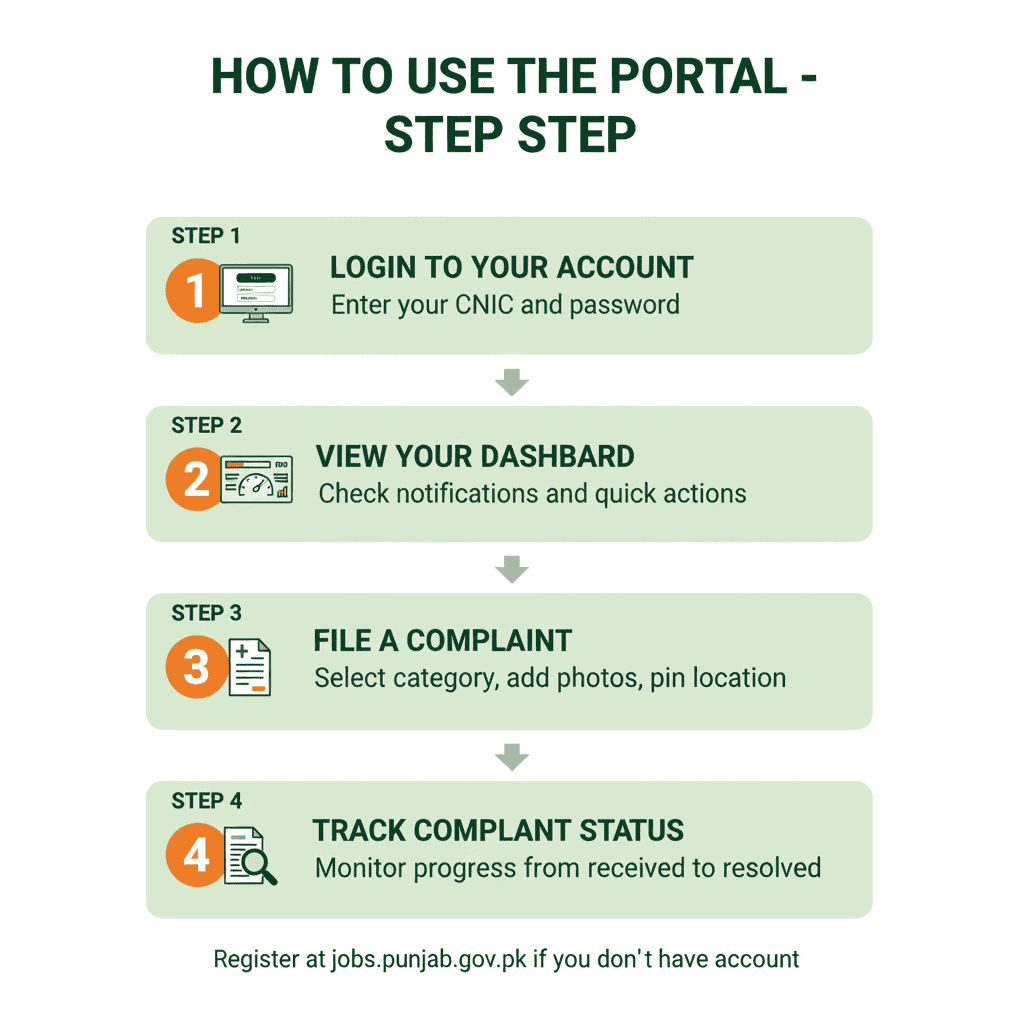
Everything you need to know about the program—from filing complaints to finding jobs—all in one place.
9. About This Governance Guide
This page brings together information from official sources and independent reports to explain how Suthra Punjab is structured and governed. It aims to help citizens, journalists, and researchers understand both the strengths of the model and the areas where better governance is still needed.
I created this guide because understanding how the system works is the first step to making it work for you. When you know who's responsible for what, you know who to contact when things go wrong. When you understand the challenges, you can be patient where patience is due and demanding where demands are necessary.
🔗 For Official Services
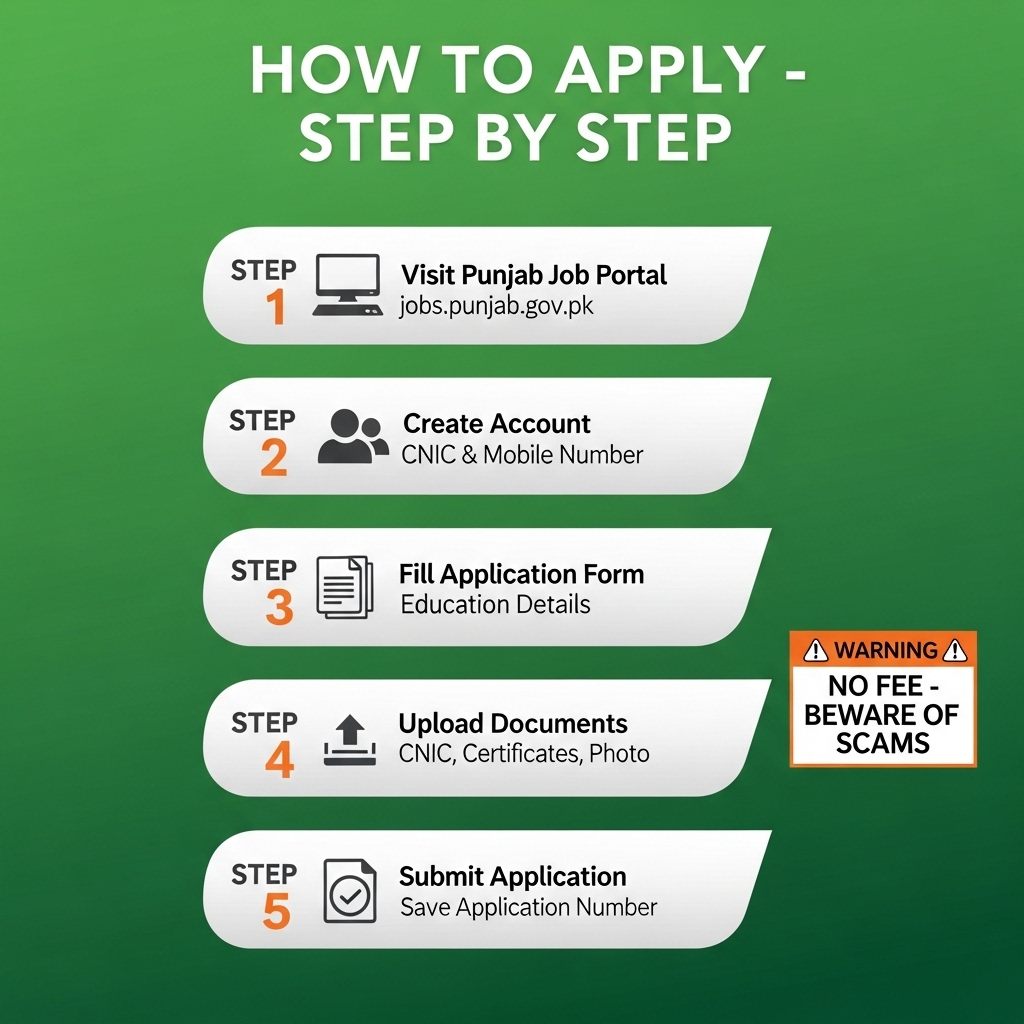
For login, complaints, or job applications, always use the government's own portals and channels. This guide is for understanding, not for transactions.
یہ صفحہ سرکاری ذرائع سے معلومات لا کر شہریوں کو سمجھانے کی کوشش ہے۔ سرکاری کام کے لیے براہ راست حکومتی ویب سائٹ استعمال کریں۔ نظام کو سمجھنا پہلا قدم ہے اسے اپنے لیے کام کرنے کا۔